.webp)
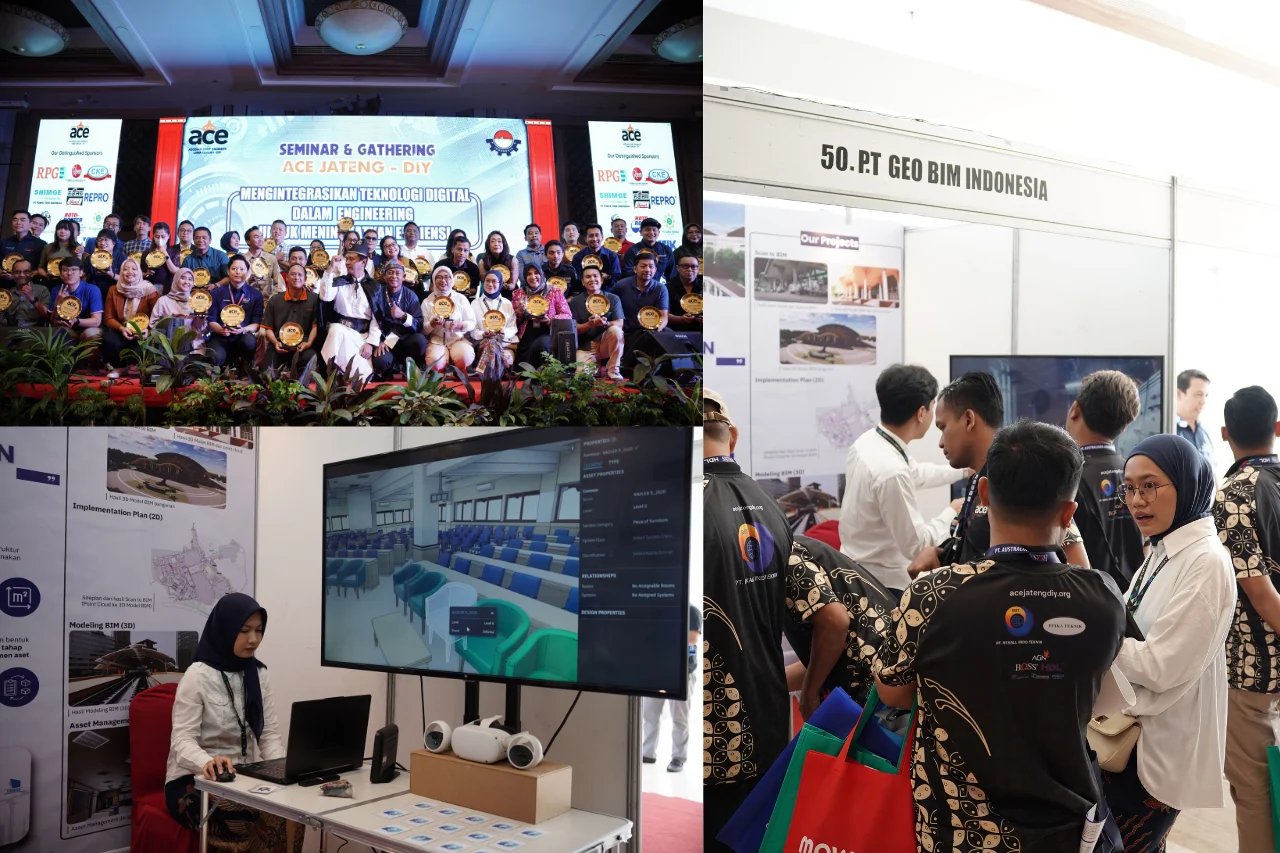
Yogyakarta — The rapid development of digital technology in the construction sector continues to drive significant changes in project planning and execution. Addressing these challenges, Geo BIM Indonesia, in collaboration with Universitas Muhammadiyah Yogyakarta (UMY), held a public lecture titled "Fundamental of BIM: Digital Transformation in the Construction World" for students of the UMY Civil Engineering Study Program on Friday (10/24/2025).
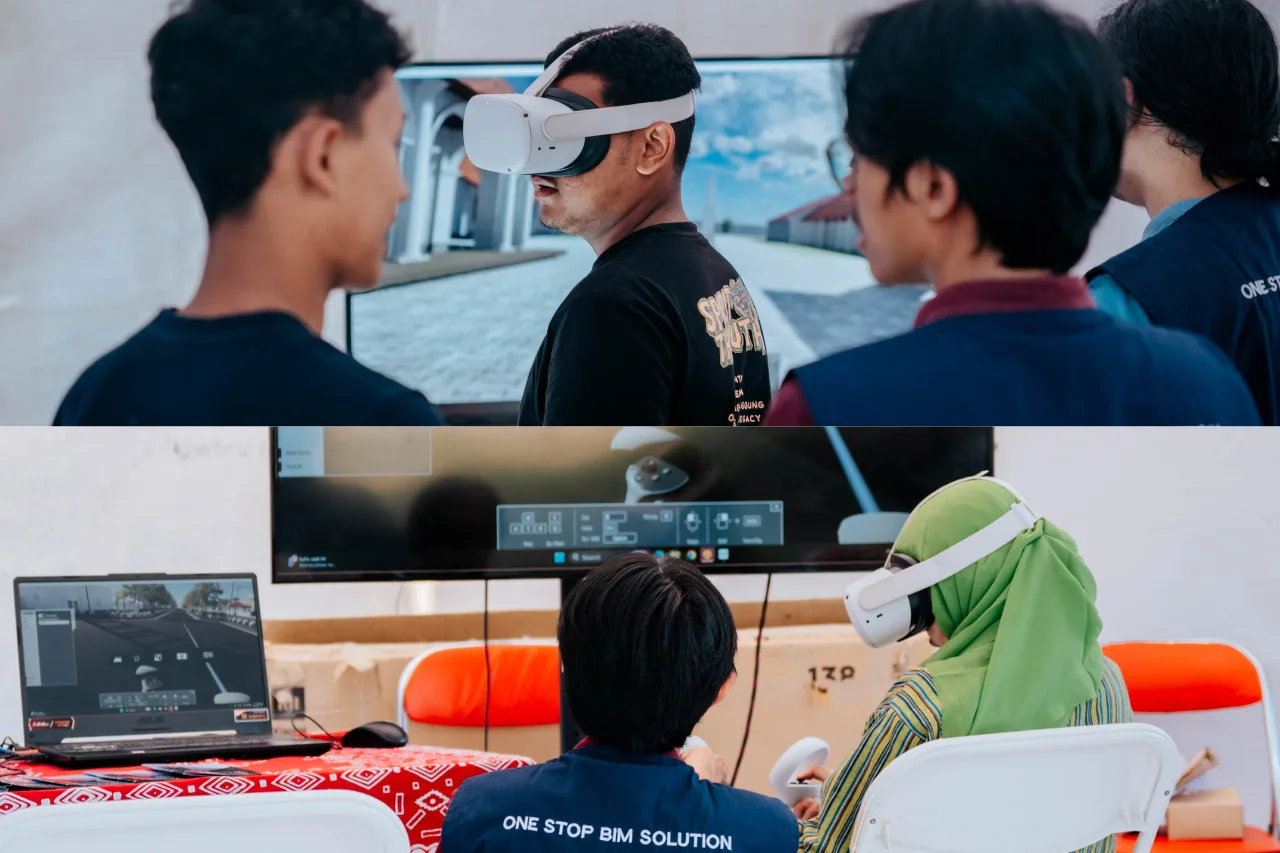
The event was attended by more than 100 students who showed high enthusiasm for learning Building Information Modeling (BIM) as a modern approach to planning, construction, and building management. BIM was introduced as a digital model-based workflow that enables cross-disciplinary collaboration within a single integrated data environment.
During the presentation, Geo BIM Indonesia explained that BIM functions as more than just 3D modeling visualization; it serves as a foundation for accurate and efficient decision-making. Through BIM, all building information, both geometric and technical data, can be managed structurally throughout the building's lifecycle.
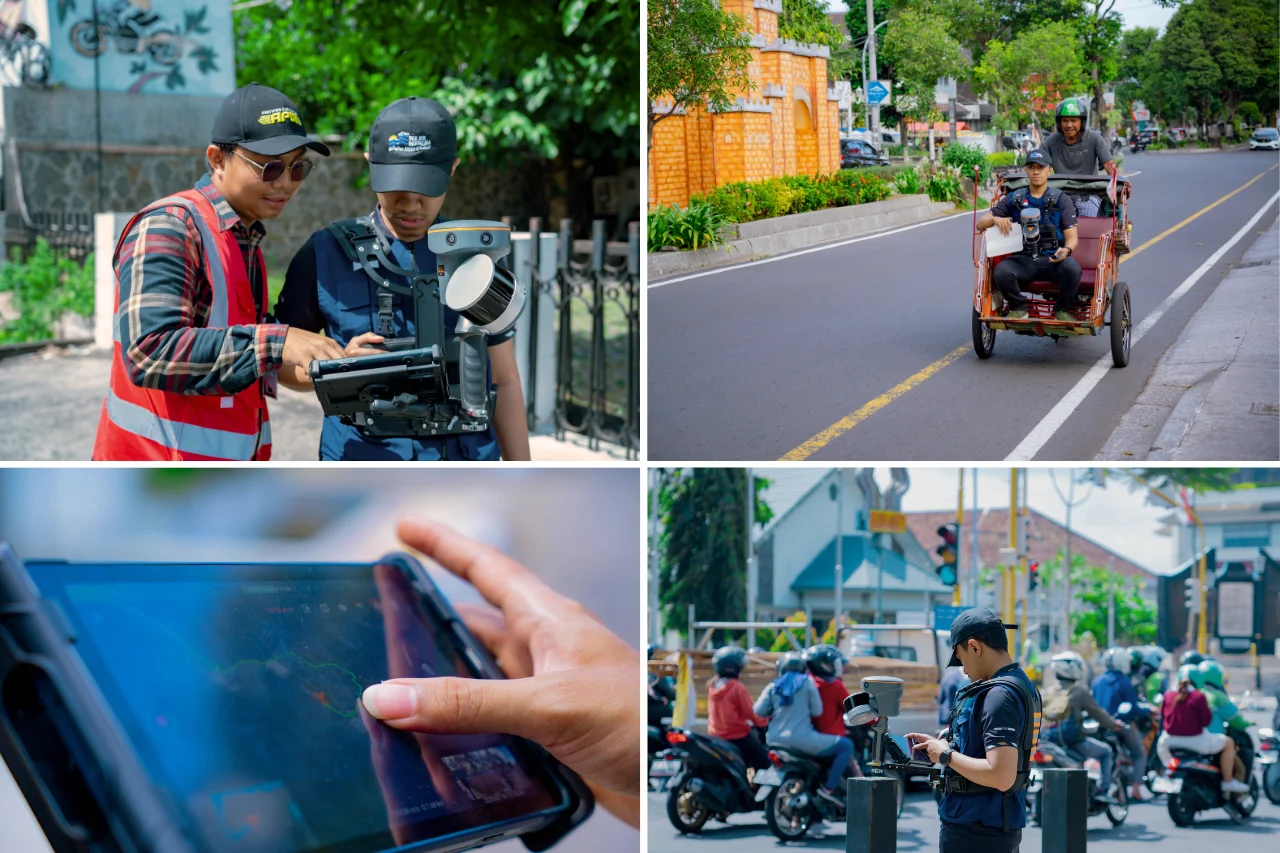
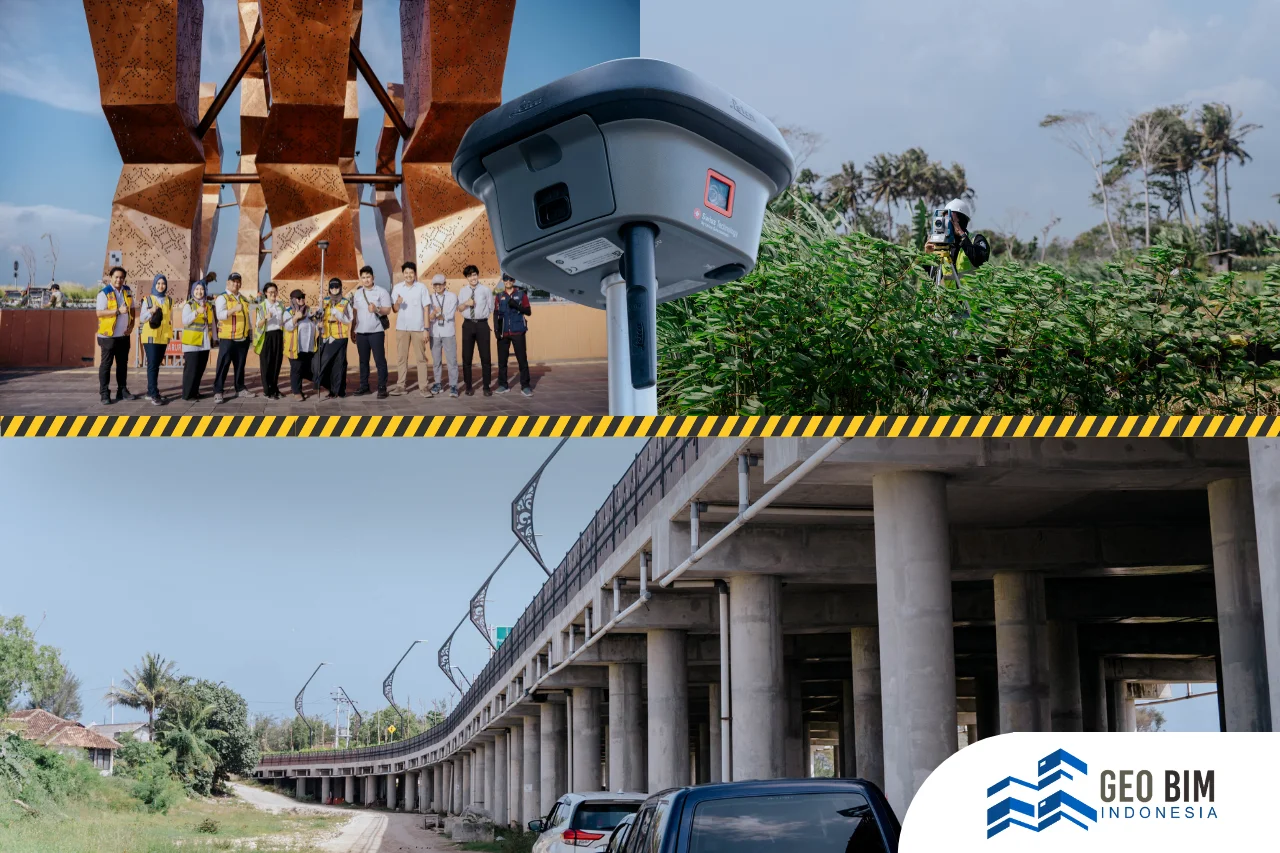
The lecture covered fundamental BIM concepts and principles, the benefits of BIM in the construction industry, and a comparison between BIM and conventional methods. Students were also introduced to the application of Scan to BIM, a process of scanning existing building conditions which are then processed into precise BIM models ready for planning, renovation, or asset management.
Furthermore, participants gained an understanding of Level of Detail (LOD) and Level of Information Need (LOIN), BIM workflows, and an introduction to BIM authoring tools commonly used in the industry. The material was presented in an applicable manner to provide a realistic overview of the BIM competencies required in the professional world.
Through this activity, Geo BIM Indonesia hopes that UMY Civil Engineering students will be equipped with relevant knowledge and remain ready to face the demands of an increasingly digital construction industry. This collaboration between academia and industry is expected to continue as an effort to produce young engineers who are adaptive, competent, and competitive.