.webp)
The Sydney Opera House stands as one of the most iconic architectural landmarks of the 20th century. Located in Sydney, Australia, the building is globally recognized for its distinctive sail-like design and cultural significance. In 2007, it was officially designated as a UNESCO World Heritage site due to its outstanding architectural and cultural value. The project was designed by Danish architect Jørn Utzon, who won an international design competition in 1957.
Despite its architectural brilliance, the Sydney Opera House is also a well-known example of construction management challenges. Initially planned to be completed in four years with a budget of 7 million Australian dollars, the project ultimately took 14 years to finish and cost approximately 102 million Australian dollars. This dramatic escalation in both time and budget highlights the consequences of inadequate coordination and project management.
Lessons from a Complex Construction Project
During its development, the Sydney Opera House underwent major design changes. The original plan for two performance halls expanded into four theaters, significantly increasing structural complexity. Frequent shifts in organizational priorities, inaccurate project estimations, evolving project objectives, and limited early-stage site surveys contributed to the difficulties.
One of the primary issues was the lack of integrated coordination among architects, engineers, and contractors. Design decisions were often made without fully understanding their structural and financial implications. As a result, modifications triggered additional technical adjustments, leading to further delays and cost overruns.
The project demonstrates a critical lesson: exceptional design alone is not enough. Without accurate surveys, structured planning, and cross-disciplinary coordination, even the most visionary architectural projects can lose control over time and cost.
.webp)
How BIM Transforms Construction Management
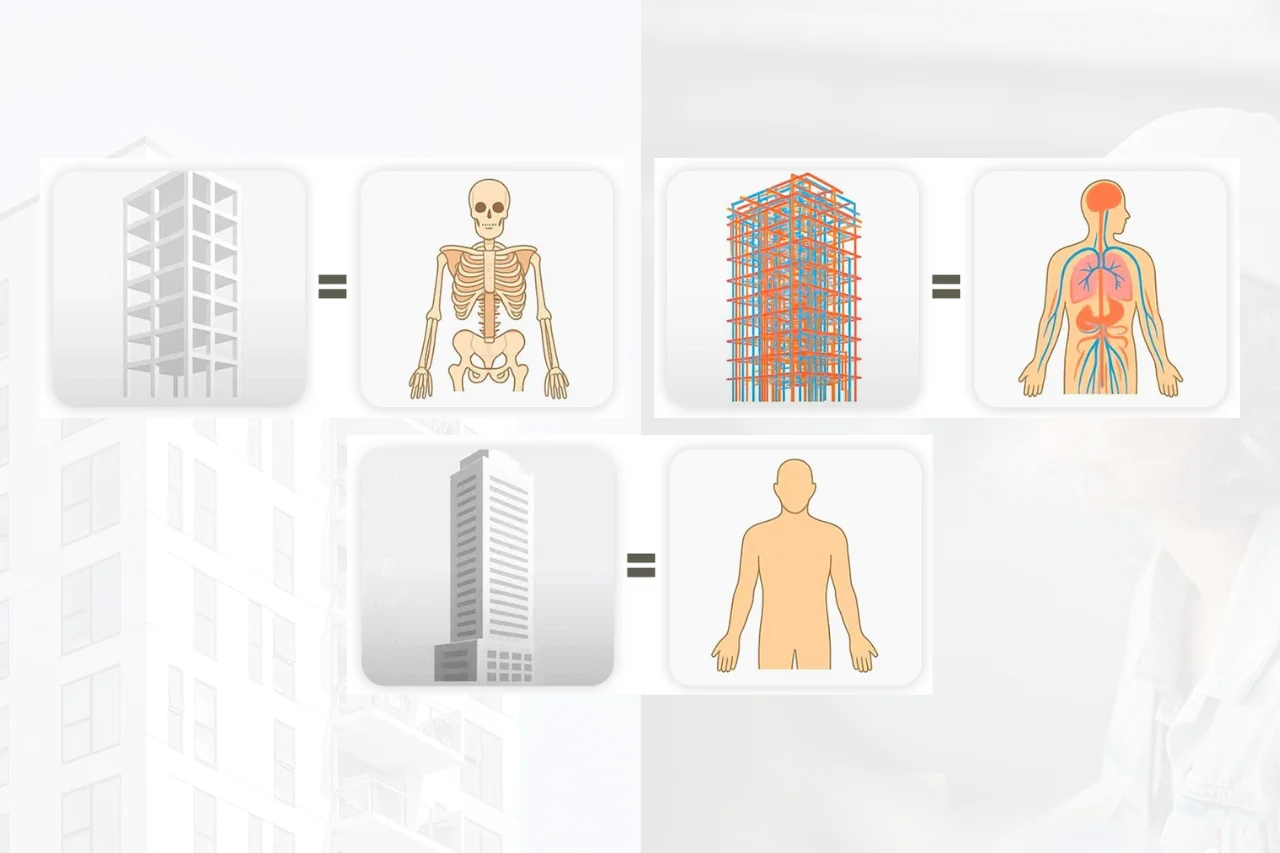
In today’s digital era, BIM (Building Information Modeling) has become a crucial solution to prevent similar project failures. BIM integrates design, engineering, and construction data into a centralized digital environment, enabling better planning and collaboration.
Through advanced 3D Modeling, BIM creates an intelligent digital representation of a building. Unlike traditional 2D drawings, a BIM model contains detailed information about geometry, materials, structural systems, scheduling, and cost estimation. This data-driven approach improves decision-making and reduces uncertainty throughout the project lifecycle.
One of the most valuable features of BIM is clash detection. This function identifies potential conflicts between structural, mechanical, electrical, and architectural components before construction begins. By detecting these issues early, teams can resolve them proactively, avoiding costly rework and schedule disruptions.
Additionally, BIM enhances cross-disciplinary coordination. Architects, engineers, and contractors can work within the same digital platform, ensuring that updates are synchronized in real time. This minimizes miscommunication and prevents uncontrolled design changes that often lead to budget overruns.
BIM also supports accurate time and cost estimation through integrated simulation tools. Project stakeholders can visualize construction sequences, analyze potential risks, and forecast financial impacts more effectively. This level of transparency significantly improves overall project control.
BIM for Heritage and Iconic Structures
For heritage projects like the Sydney Opera House, precise documentation and structured management are especially critical. Modern BIM solutions enable detailed digital documentation through advanced 3D Modeling, preserving both architectural integrity and historical value.
Digital models provide long-term benefits for heritage management, including easier maintenance planning, renovation coordination, and structural monitoring. By maintaining accurate digital records, organizations can protect heritage assets while ensuring operational efficiency.
As a technology-driven solution provider, GeoBIM Indonesia supports construction digitalization through comprehensive BIM implementation and 3D Modeling services. GeoBIM helps organizations manage complex projects more effectively by improving coordination, reducing risk, and enhancing transparency across all project phases.
The story of the Sydney Opera House reminds us that visionary architecture requires equally strong project management. With BIM, the construction industry now has the tools to prevent uncontrolled changes, reduce risks, and deliver projects with greater accuracy and efficiency.