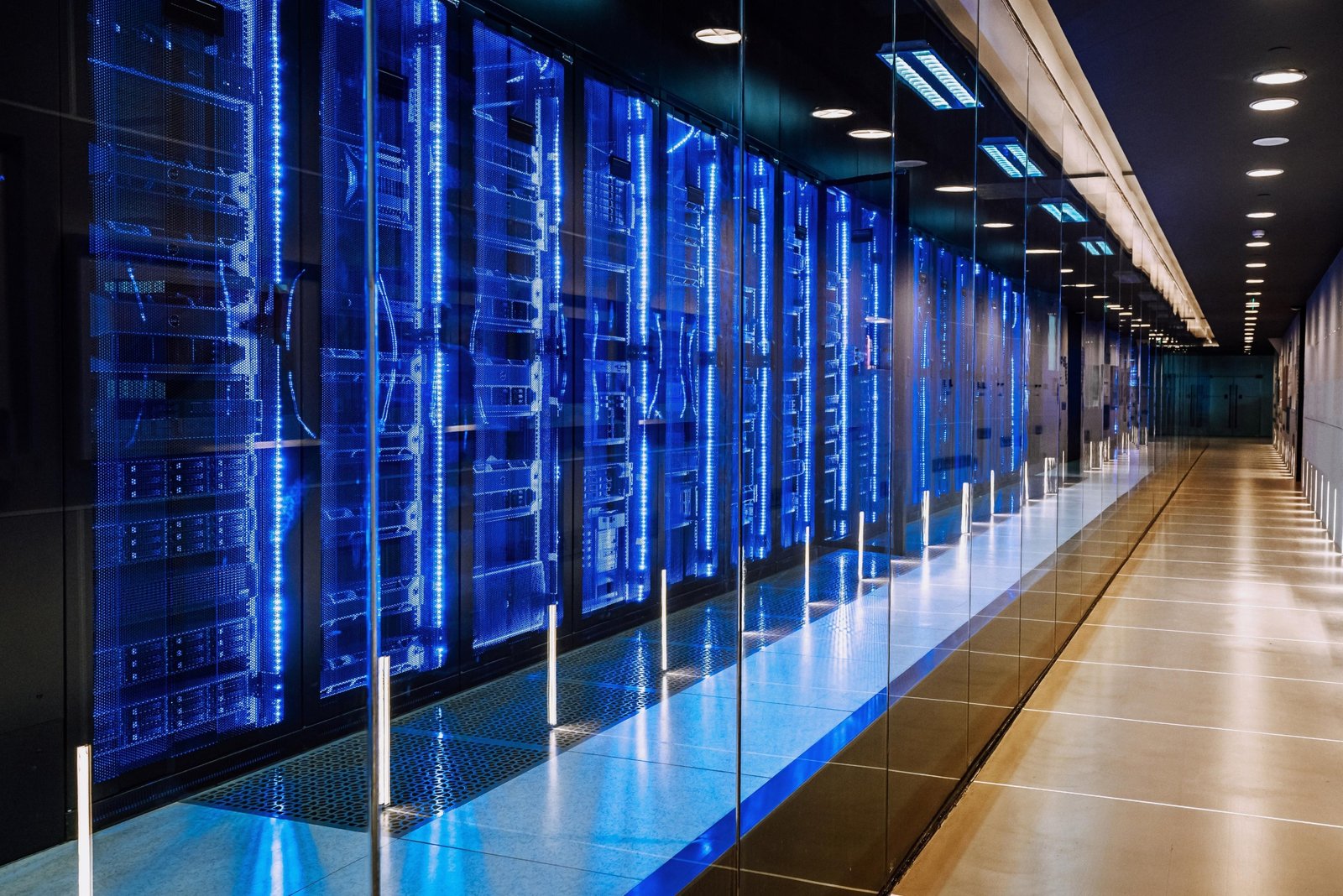
Data centers are critical infrastructure that support modern digital services, ranging from enterprise systems and cloud computing to AI-based technologies. These facilities are required to operate continuously, 24/7, with minimal tolerance for downtime. As a result, data centers demand highly accurate planning and well-structured facility management to ensure long-term reliability and efficiency.
A typical data center consists of multiple interconnected systems, including computing equipment, data storage, networking, power supply, cooling systems, and security infrastructure. All of these components must function seamlessly within a limited space. Any design error or inaccurate as-built documentation can lead to operational inefficiencies, increased maintenance costs, or even service disruptions. This growing complexity makes traditional planning approaches insufficient for data center development.
Building Information Modeling (BIM) has emerged as a comprehensive digital approach that integrates all data center components into a single, coordinated environment. Through BIM for Data Center, stakeholders gain a holistic understanding of the facility using accurate and information-rich 3D models from the earliest planning stages.
Optimizing Data Center Design with 3D Models
BIM significantly enhances the data center design process by enabling multidisciplinary coordination within one integrated model. Mechanical, electrical, plumbing, structural, and network systems can be developed together, ensuring spatial coordination and design consistency. This integrated workflow allows teams to identify potential issues early, rather than resolving them during construction or operation.
One of the key advantages of BIM is clash detection. By identifying conflicts between systems at the design stage, BIM helps reduce costly rework and delays during construction. In addition, BIM supports layout optimization, ensuring that space within the data center is used efficiently while maintaining safety, accessibility, and performance standards.
BIM-based 3D models also enable simulations and performance analyses to evaluate whether the proposed design can meet operational requirements. Designers and decision-makers can assess system integration, scalability, and future expansion needs before implementation. As a result, BIM supports the development of data centers that are not only functional but also adaptable and sustainable over their lifecycle.
From As-Built Documentation to Facility Management with Scan to BIM
The benefits of BIM extend beyond design and construction into long-term data center operations. Accurate as-built documentation is essential for effective facility management, yet many existing data centers rely on outdated drawings that no longer reflect actual site conditions.
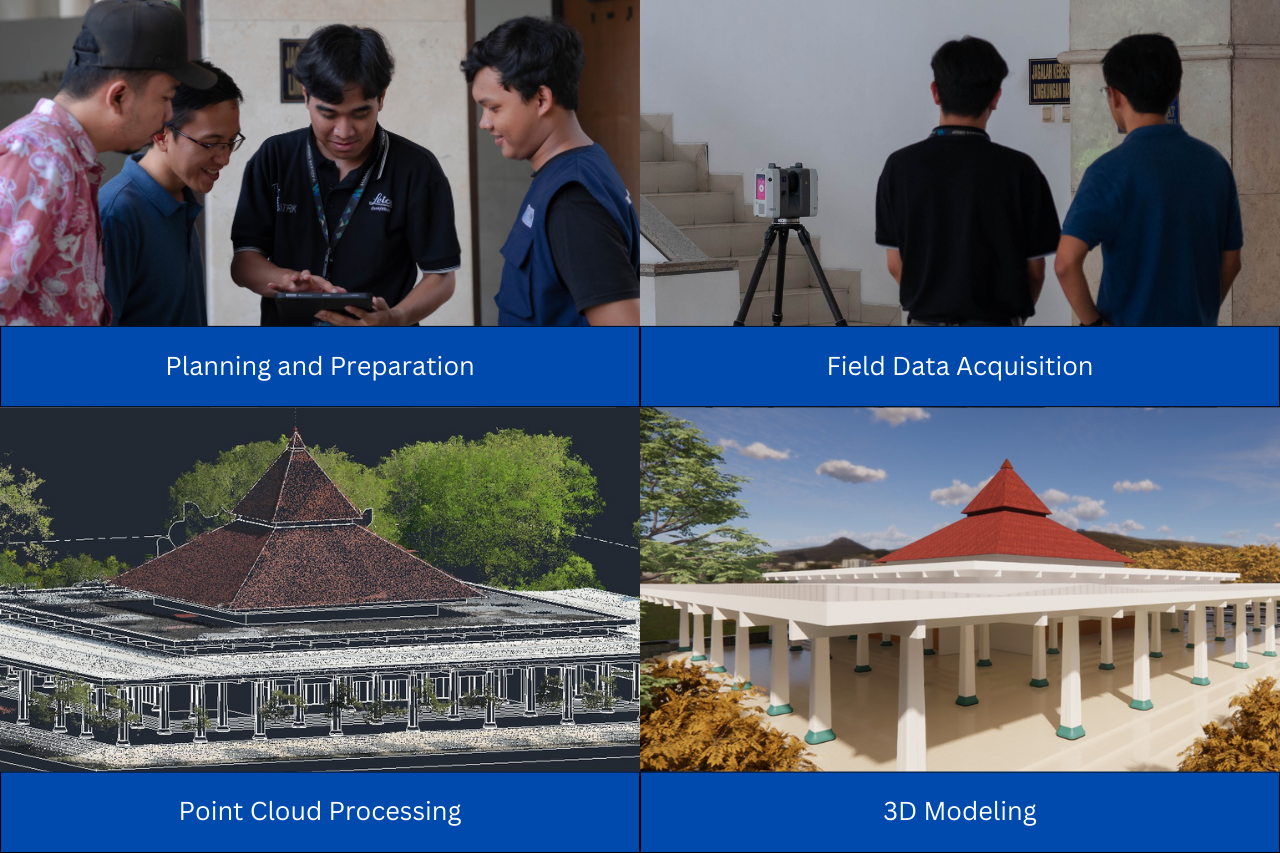
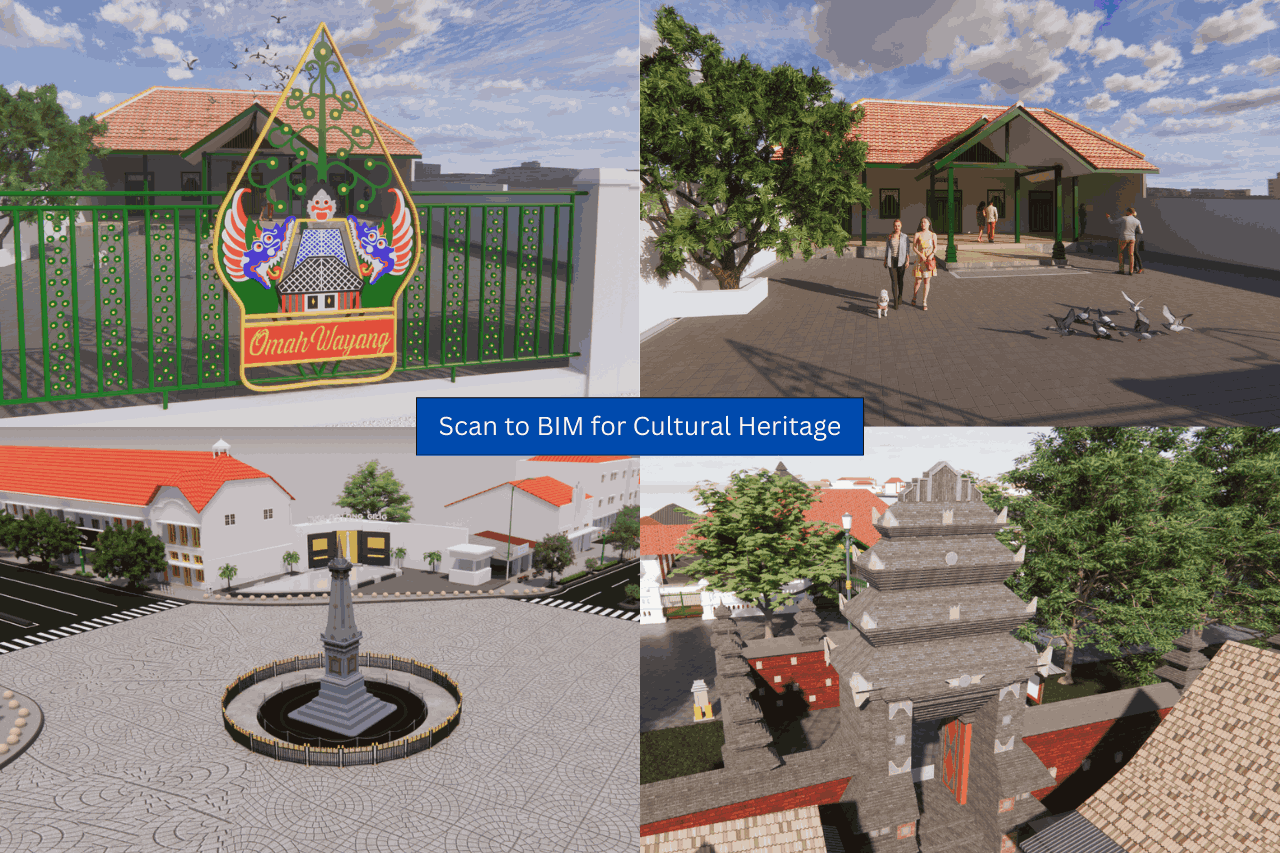
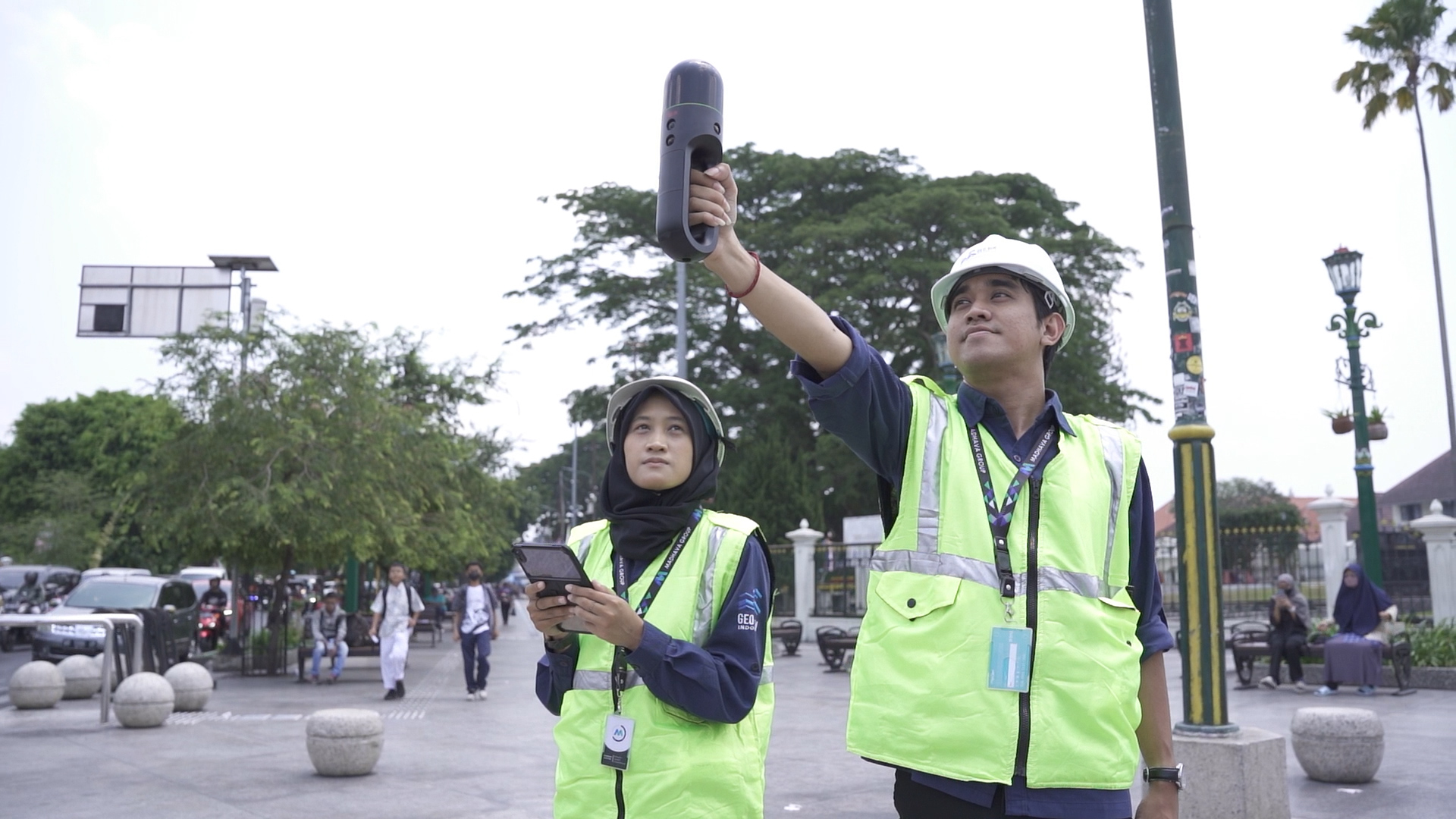
Scan to BIM provides a reliable solution by capturing existing conditions through scanning technology and converting them into precise BIM-based 3D models. These as-built models represent the real condition of the data center and serve as a reliable digital reference for maintenance, renovation, and expansion planning.
In the context of Facility Management, BIM functions as a centralized data repository for asset information. Facility managers can track equipment, plan maintenance activities, and manage the facility lifecycle more efficiently using a single, integrated model. This data-driven approach improves decision-making, reduces operational risks, and enhances overall performance.
As a professional BIM solution provider, Geo BIM Indonesia supports the implementation of BIM for Data Center projects, covering planning, 3D modeling, as-built documentation, and Scan to BIM for facility management needs. By adopting BIM, data centers can achieve higher efficiency, better coordination, and long-term operational resilience in an increasingly digital world

.png)