Mosque renovation projects involve not only technical complexity but also social and functional considerations. In many cases, renovations are carried out without complete as built documentation. This condition often leads to design discrepancies, inefficient interdisciplinary coordination, schedule delays, and significant budget deviations from actual site conditions.
In mosque renovation, the challenge is even greater because religious activities usually continue during construction. Therefore, planning cannot rely on assumptions. It must be precise, measurable, and based on accurate existing building data.
Challenges of Mosque Renovation Without As Built Documentation
The absence of reliable as built drawings means planners lack accurate references for structural, architectural, and MEP systems. Conventional measurement methods often fail to capture detailed and comprehensive building conditions. As a result, design changes during construction become more likely. Misalignment in dimensions, elevations, or structural elements can trigger rework, directly impacting project costs and timelines.
Coordination between disciplines also becomes more complex. Without integrated data, identifying potential conflicts between building systems at an early stage is difficult. This increases the risk of on-site construction errors.
In mosque renovation projects, these risks are amplified because construction activities must minimize disruption to worshippers. Proper planning is therefore critical to ensure both technical success and operational continuity.
Scan to BIM and 3D Modeling as a Precision-Based Solution
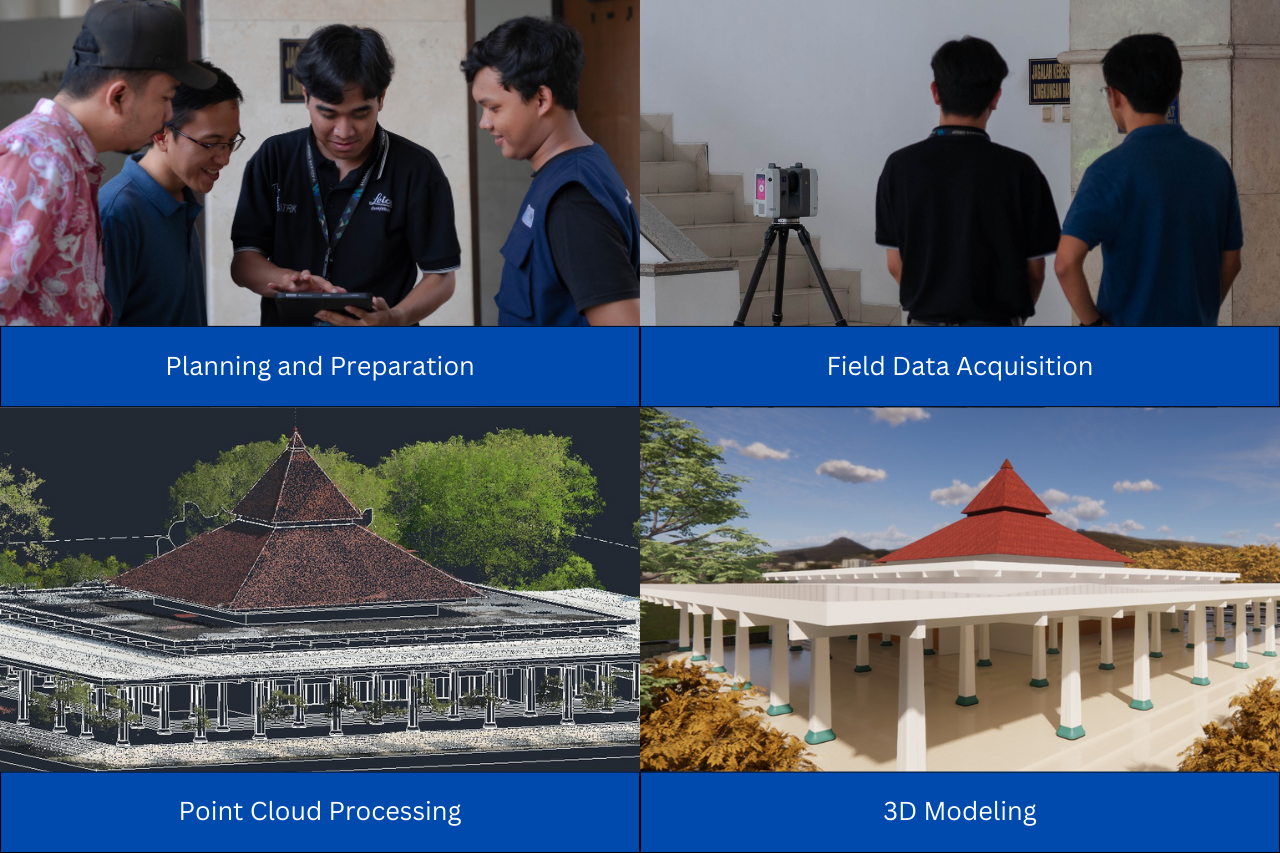
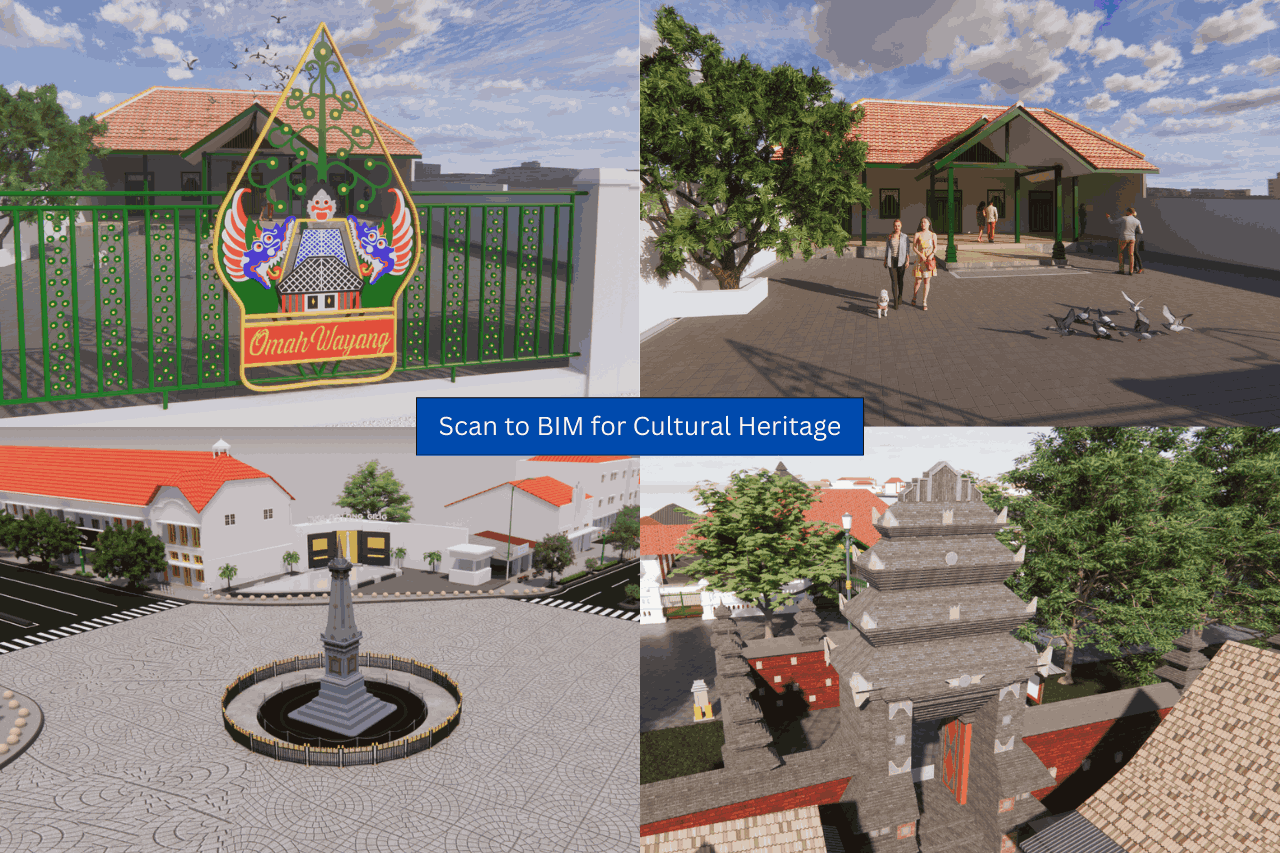
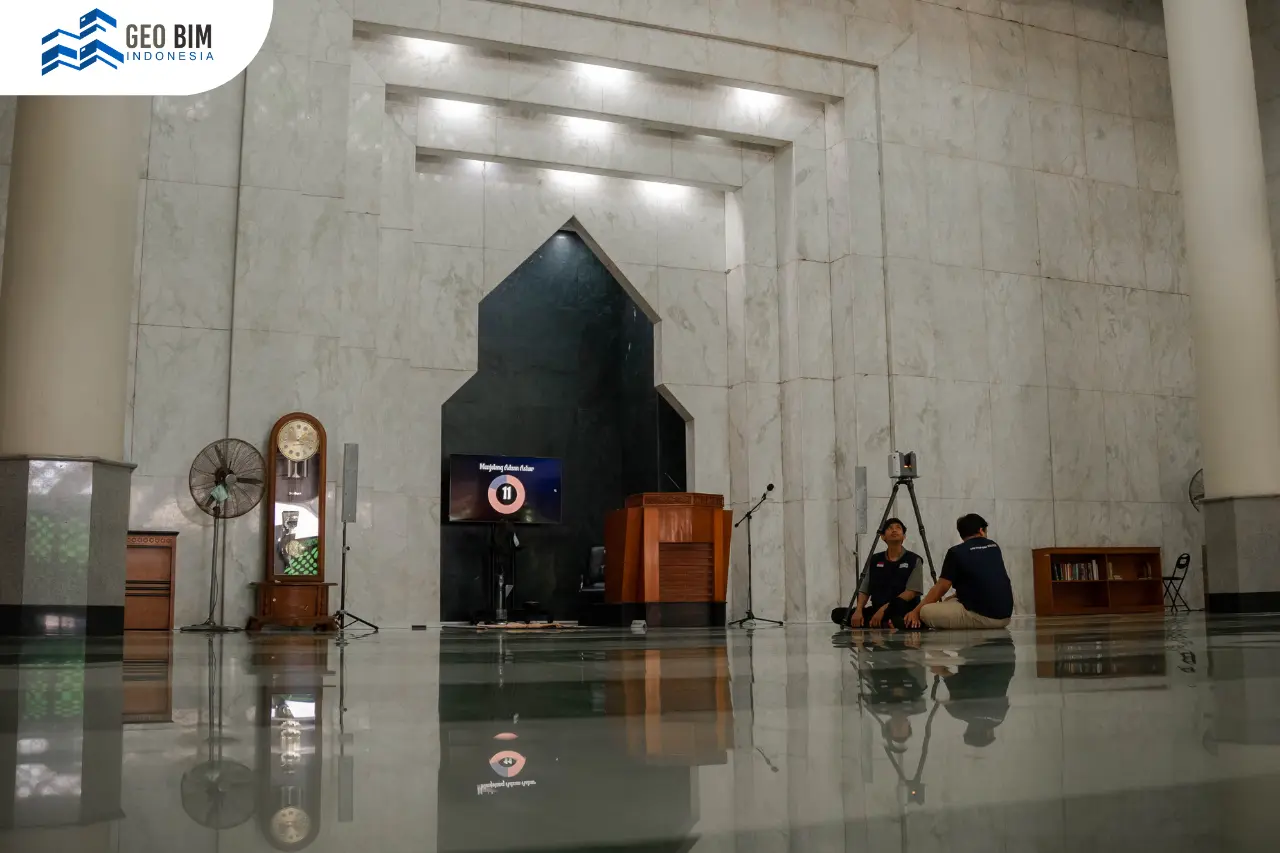
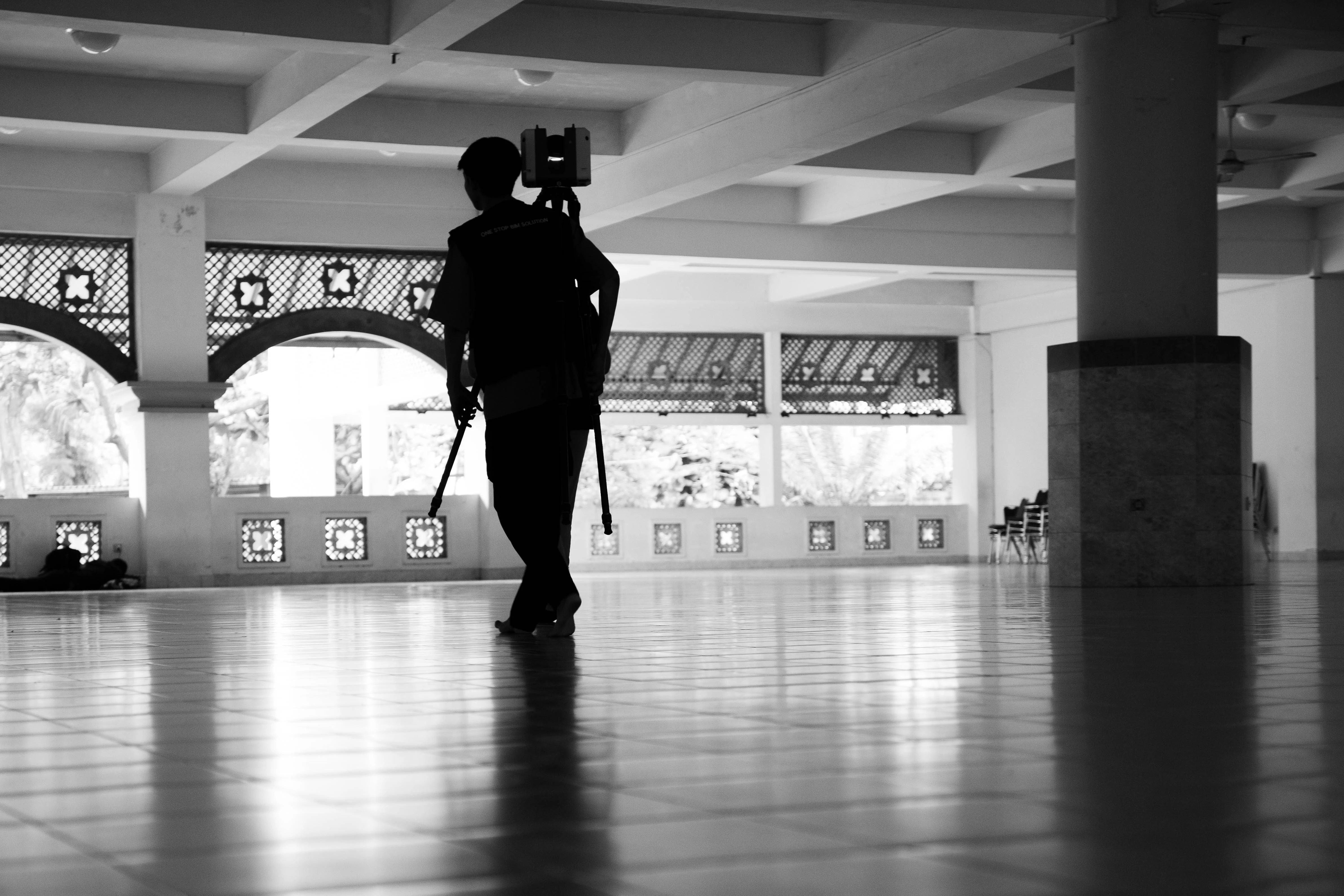
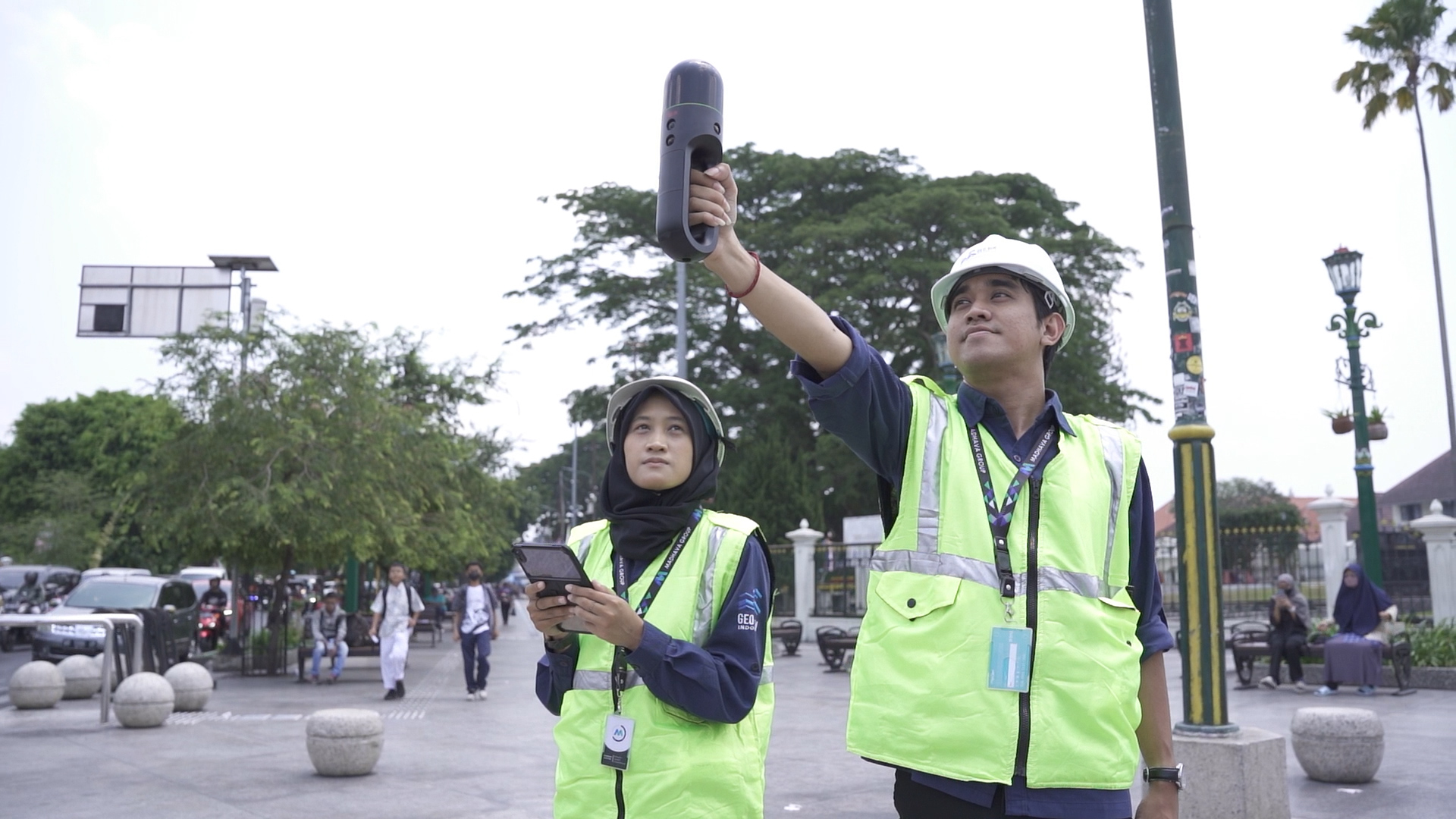
Technological advancements offer a powerful solution through the scan to BIM approach. The process begins with 3D scanning using advanced equipment such as a laser scanner to capture the entire building geometry accurately. The scanning process generates millions of data points (point clouds) that digitally represent the existing structure. These data are then processed into a detailed model through 3D Modeling within a BIM environment.
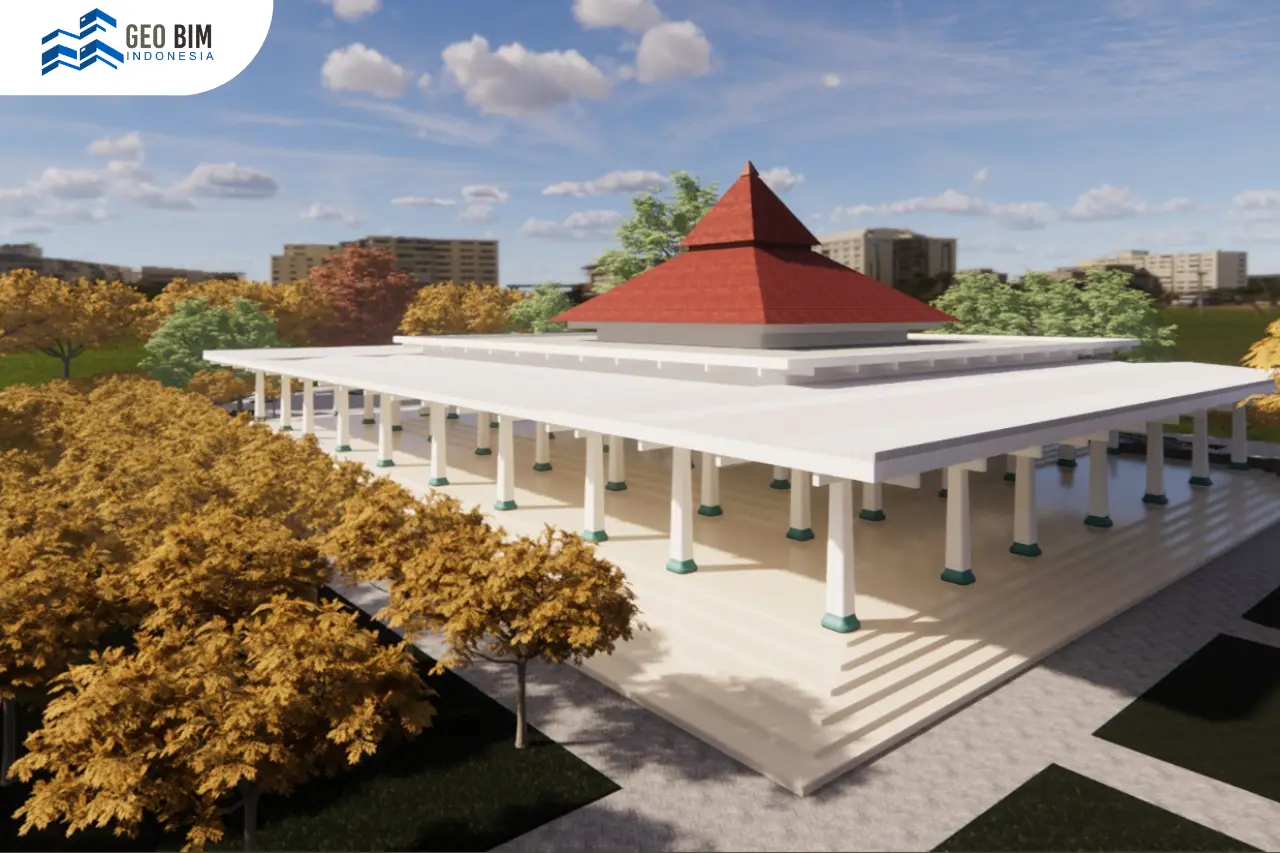
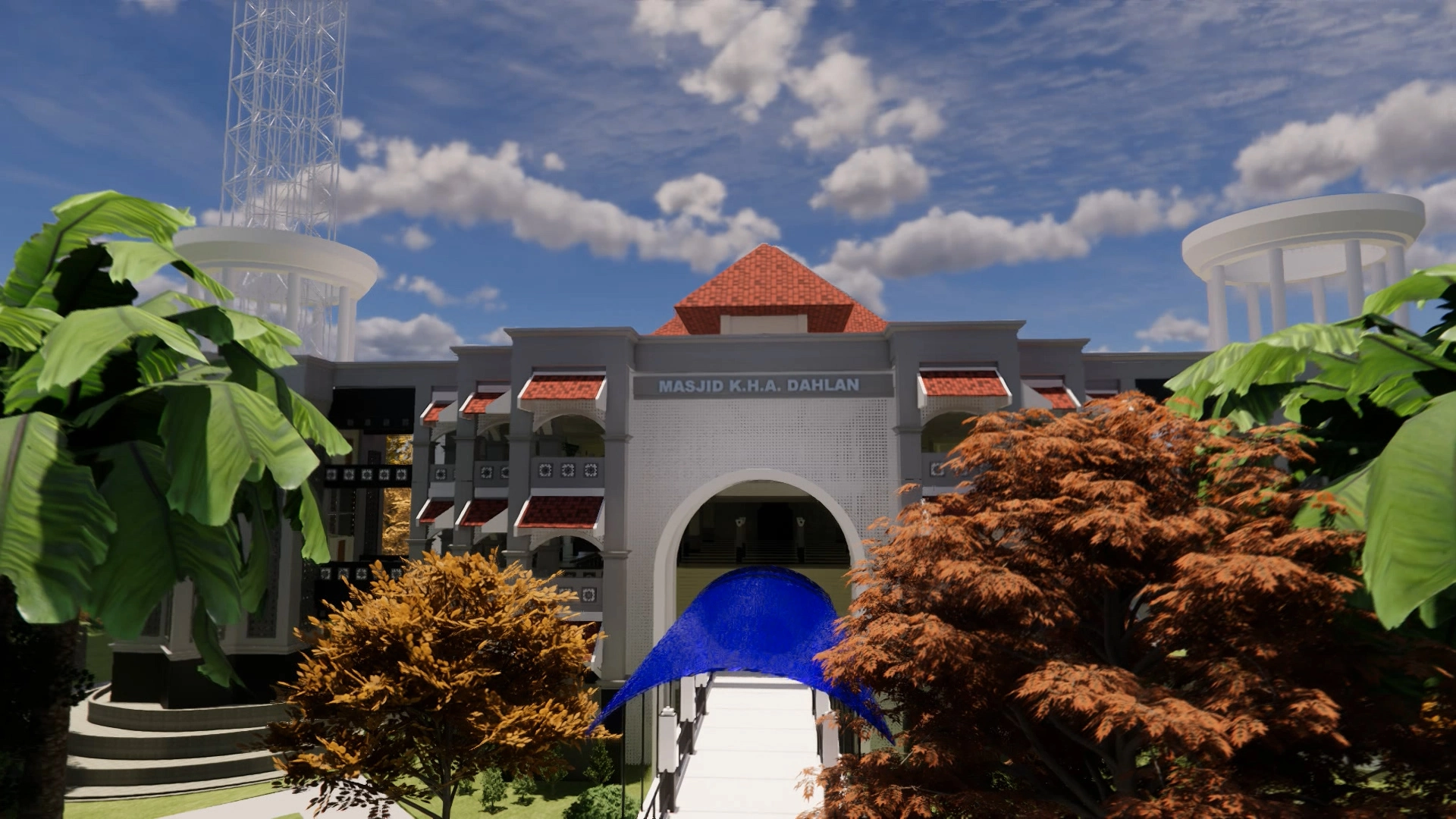
This digital reconstruction allows planners to visualize the mosque’s actual condition with high accuracy. Structural components, architectural elements, and MEP systems are integrated into a single coordinated model. Through clash detection, potential conflicts between building elements can be identified during the planning stage. For example, interference between ducting systems and structural beams can be resolved before construction begins, significantly reducing the risk of rework.
With this approach, renovation planning is no longer dependent on visual estimation or incomplete measurements. Instead, it is grounded in verified and data-driven modeling.
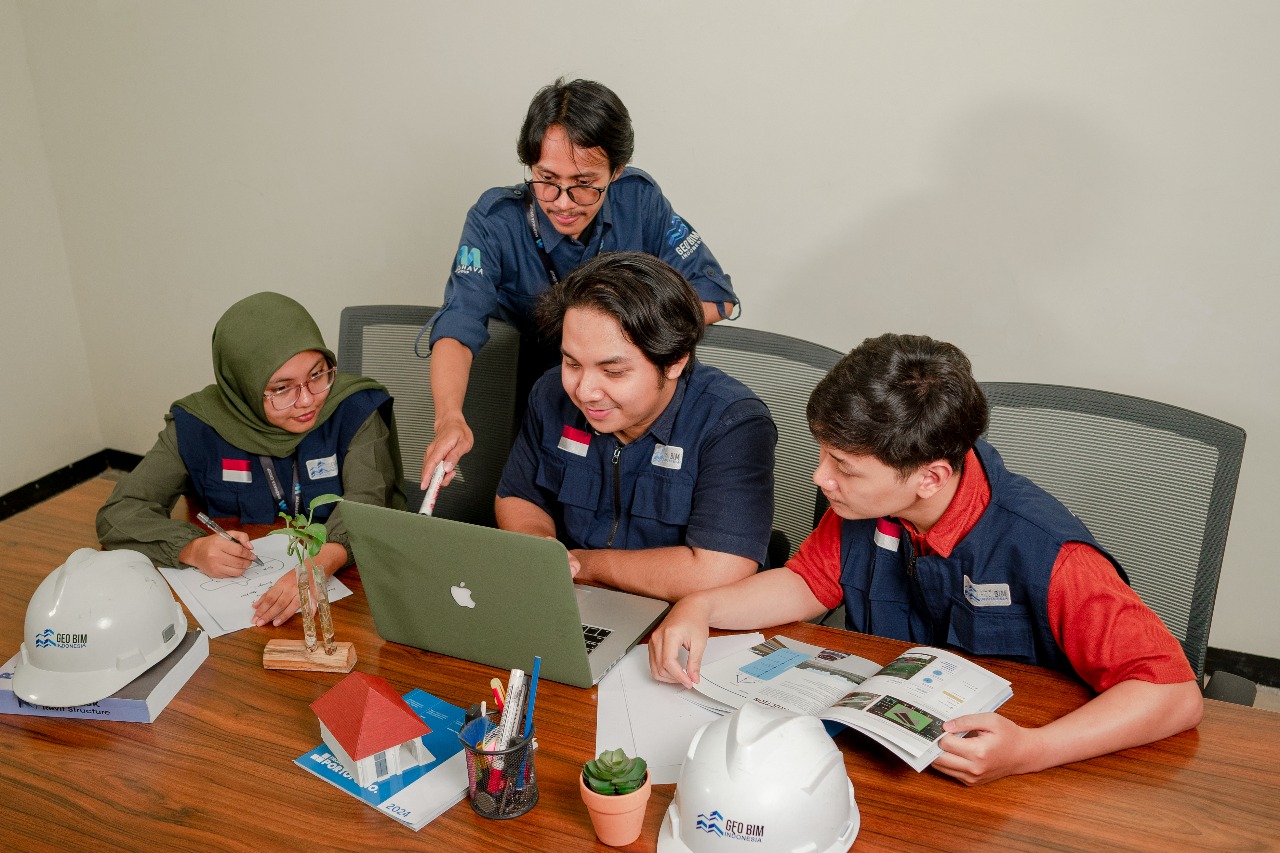
As a digital construction specialist, Geo BIM Indonesia applies this methodology to ensure renovation projects are executed with higher precision, efficiency, and risk control.
Time and Cost Control Through 4D and 5D BIM
Beyond visualization and coordination, BIM enhances project control through time and cost integration. By incorporating scheduling data into the model, 4D BIM enables simulation of construction sequences. In mosque renovation, this capability is crucial to plan phased construction while maintaining uninterrupted worship activities. Work zones can be carefully scheduled to avoid operational conflicts.
Meanwhile, integrating cost data results in 5D BIM, which enables automated quantity take-offs directly from the model. This ensures more accurate budgeting and transparent cost estimation. Any design modification automatically updates quantities and associated costs, allowing faster, data-driven decision-making. This significantly reduces the likelihood of budget overruns and financial uncertainty.
The absence of as built documentation should not be considered a major obstacle in mosque renovation projects. Through scan to BIM, supported by 3D scanning, advanced 3D Modeling, and the implementation of 4D 5D BIM, planning can be executed in a fully integrated and precise manner.
The result is:
✔ More mature and reliable planning
✔ Stronger interdisciplinary coordination
✔ Better cost control
✔ Efficient and optimized project delivery
In today’s digital construction era, renovation no longer needs to rely on assumptions. With the right technology and expertise, every project can begin with accurate data and measurable decisions.
.png)