As digital transformation continues to reshape the Architecture, Engineering, Construction, and Operations (AECO) industry, terms such as 3D Modeling, Building Information Modeling (BIM), and Digital Twin are becoming increasingly common. Many people still assume that a Digital Twin is simply another name for a 3D model. While both technologies visualize physical assets in three dimensions, they serve fundamentally different purposes.
A 3D model provides a digital representation of a physical object or building at a specific point in time. A Digital Twin, on the other hand, creates a living digital replica that continuously reflects the asset's real-world condition through connected data. Understanding this distinction is essential for organizations planning to improve asset management, facility operations, and long-term infrastructure performance.
What Is a 3D Model?
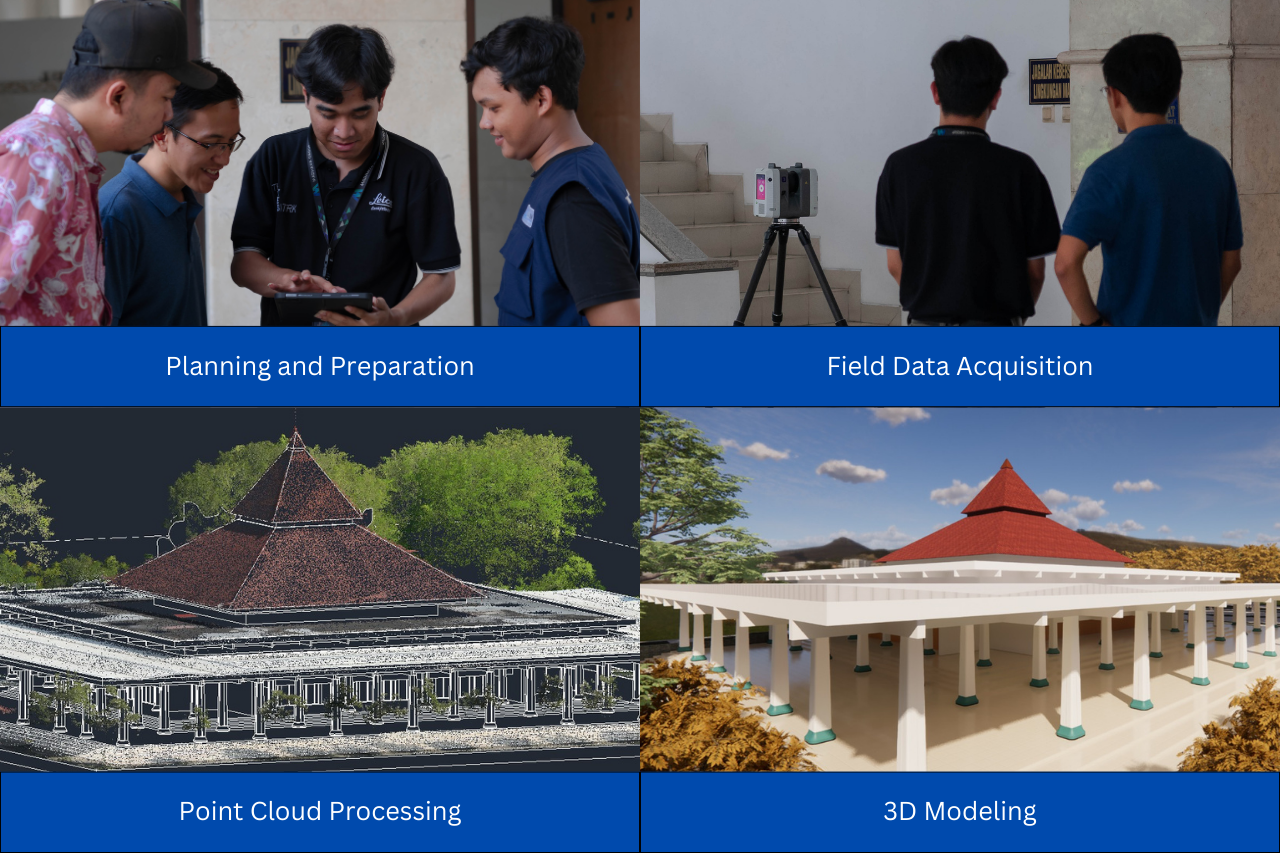
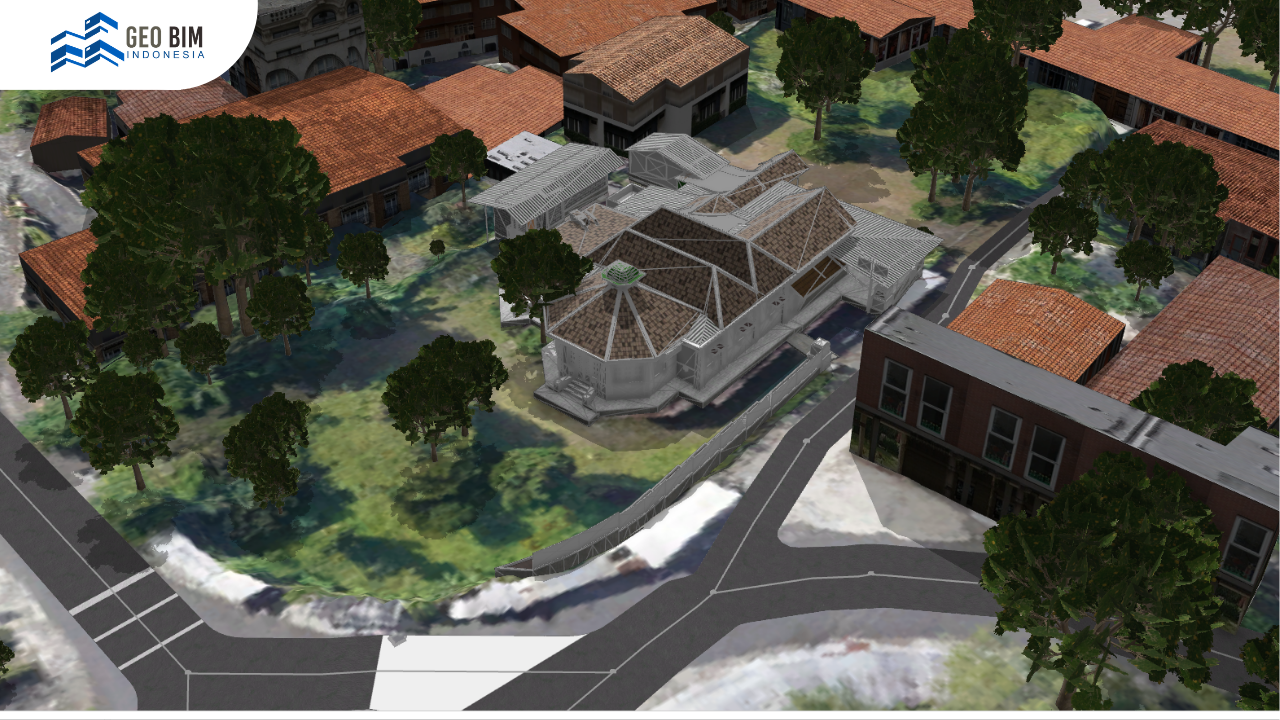
A 3D model is a digital representation of a physical object, building, or infrastructure created using software such as Autodesk Revit, Bentley OpenBuildings, or other BIM platforms. It contains geometric information that accurately represents the size, shape, and spatial relationships of building components.
Within the AEC industry, 3D models are primarily used during planning, design, construction, and documentation. Architects use them to visualize design concepts, structural engineers coordinate building systems, and contractors identify clashes before construction begins. Because every stakeholder works from the same model, project coordination becomes significantly more efficient than relying solely on two-dimensional drawings.
However, a 3D model is generally static. Once construction is complete, the model only changes when someone manually updates it. It does not automatically reflect the building's operational status, equipment performance, occupancy levels, or environmental conditions. As a result, although a 3D model is invaluable for design and documentation, it provides limited insight into how the asset actually performs throughout its operational life.
What Makes a Digital Twin Different?
A Digital Twin goes beyond geometric representation by connecting the digital model with real-time operational data. Information collected from IoT sensors, Building Management Systems (BMS), smart meters, environmental monitoring devices, and other connected technologies continuously updates the virtual model, allowing it to reflect the asset's current condition.
Instead of functioning as a static reference, the Digital Twin evolves alongside the physical asset. Facility managers can monitor equipment performance, indoor environmental quality, energy consumption, occupancy patterns, and maintenance history within a single digital environment. Every change occurring in the physical building can be reflected in its digital counterpart, creating a comprehensive view of asset performance throughout its lifecycle.
This capability enables organizations to move beyond simply documenting buildings. Digital Twins support data-driven decision-making by helping operators identify inefficiencies, detect anomalies before failures occur, and evaluate operational performance using continuously updated information.
Digital Twin vs 3D Model: Understanding the Key Differences
Although both technologies use three-dimensional visualization, their objectives are fundamentally different. A 3D model focuses on representing the physical geometry of an asset for design, construction, coordination, and documentation. It captures what the asset looks like but does not describe how it performs during operation.
A Digital Twin, in contrast, integrates the same geometric model with dynamic operational data. Rather than serving only as a visualization tool, it becomes a digital environment where owners can monitor, analyze, simulate, and optimize building performance. This integration transforms the model from a design deliverable into an operational decision-support platform.
Another major distinction lies in time. A 3D model represents a snapshot of the building at a specific moment, while a Digital Twin continuously evolves throughout the asset's lifecycle. As equipment ages, occupancy changes, maintenance activities occur, or environmental conditions fluctuate, the Digital Twin reflects those updates automatically through connected data sources.
From BIM to Digital Twin: A New Paradigm for Asset Lifecycle Management
The transition from Building Information Modeling (BIM) to Digital Twin represents far more than an advancement in digital technology—it marks a fundamental shift in how organizations manage built assets throughout their entire lifecycle.
Traditionally, BIM has been used to improve design coordination, construction planning, and project documentation. Once a building is completed, however, many BIM models become static records that are rarely updated during operation. Digital Twin extends the value of BIM by connecting the model with real-time operational information, allowing owners to continue using the digital asset long after construction has finished.
This integration enables organizations to move beyond reactive maintenance, where problems are addressed only after failures occur. Instead, facility managers can adopt predictive maintenance, identifying early signs of equipment degradation through sensor data and performance monitoring. Maintenance activities become more proactive, reducing downtime, extending asset life, and lowering operational costs.
Digital Twin also bridges the gap between design intent and operational reality. Designers can compare predicted building performance with actual operational data, while owners gain continuous insight into energy consumption, occupant comfort, equipment efficiency, and overall building performance. This feedback loop helps organizations optimize energy usage, improve user experience, and make more informed decisions throughout the lifecycle of the asset.
As buildings become increasingly connected, the combination of 3D models, BIM, IoT, and Digital Twin technologies is redefining facility management. Rather than serving as static documentation, digital models are evolving into intelligent operational platforms that support smarter, more sustainable, and data-driven asset management.
GeoBIM Indonesia: Transforming 3D Models into Intelligent Digital Twins
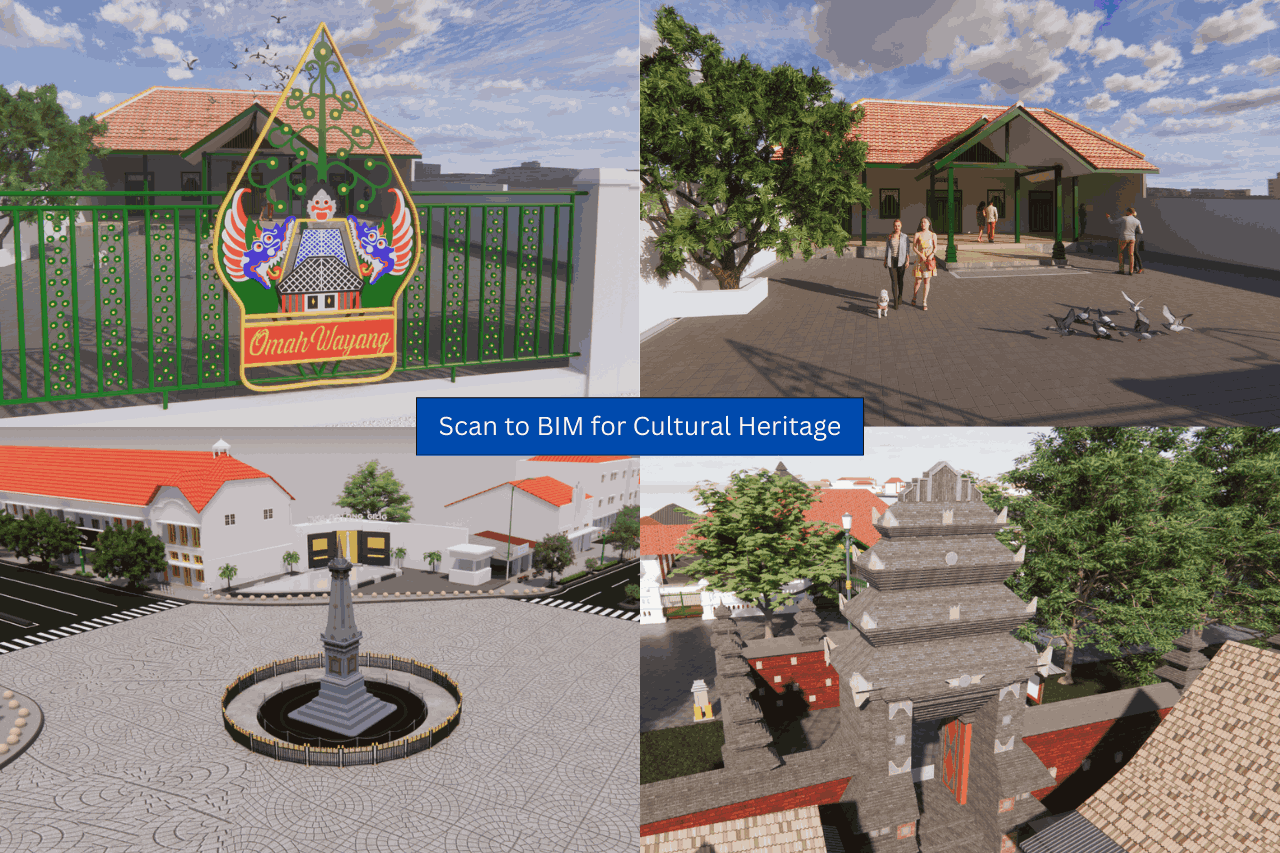
The value of a digital asset extends far beyond visualization. By combining 3D Laser Scanning, 3D Modeling, Scan to BIM, Building Information Modeling (BIM), and Digital Twin technologies, organizations gain accurate information that supports every stage of an asset's lifecycle—from planning and construction to operation, maintenance, and future development.
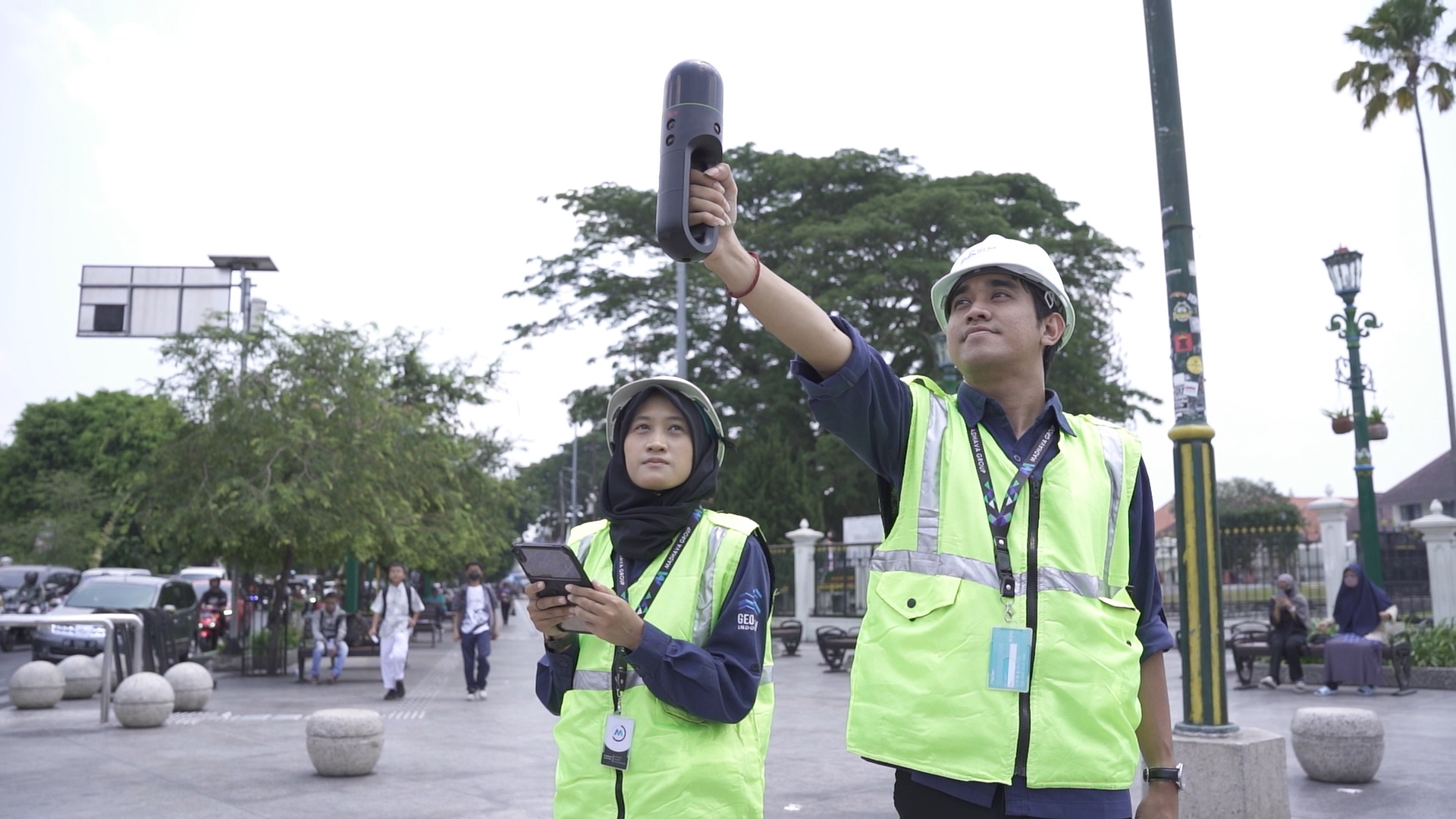
GeoBIM Indonesia provides professional 3D Laser Scanning, 3D Modeling, Scan to BIM, and Digital Twin services for commercial buildings, industrial facilities, public infrastructure, hospitals, airports, stadiums, and heritage assets. Using advanced reality capture technology and BIM expertise, we help clients transform physical assets into intelligent digital environments that enable predictive maintenance, operational optimization, and better decision-making. If you're looking to unlock the full potential of your building data, GeoBIM Indonesia is ready to support your digital transformation journey.
📞 082134939917 (Sales Engineer GeoBIM)
.png)