.png)
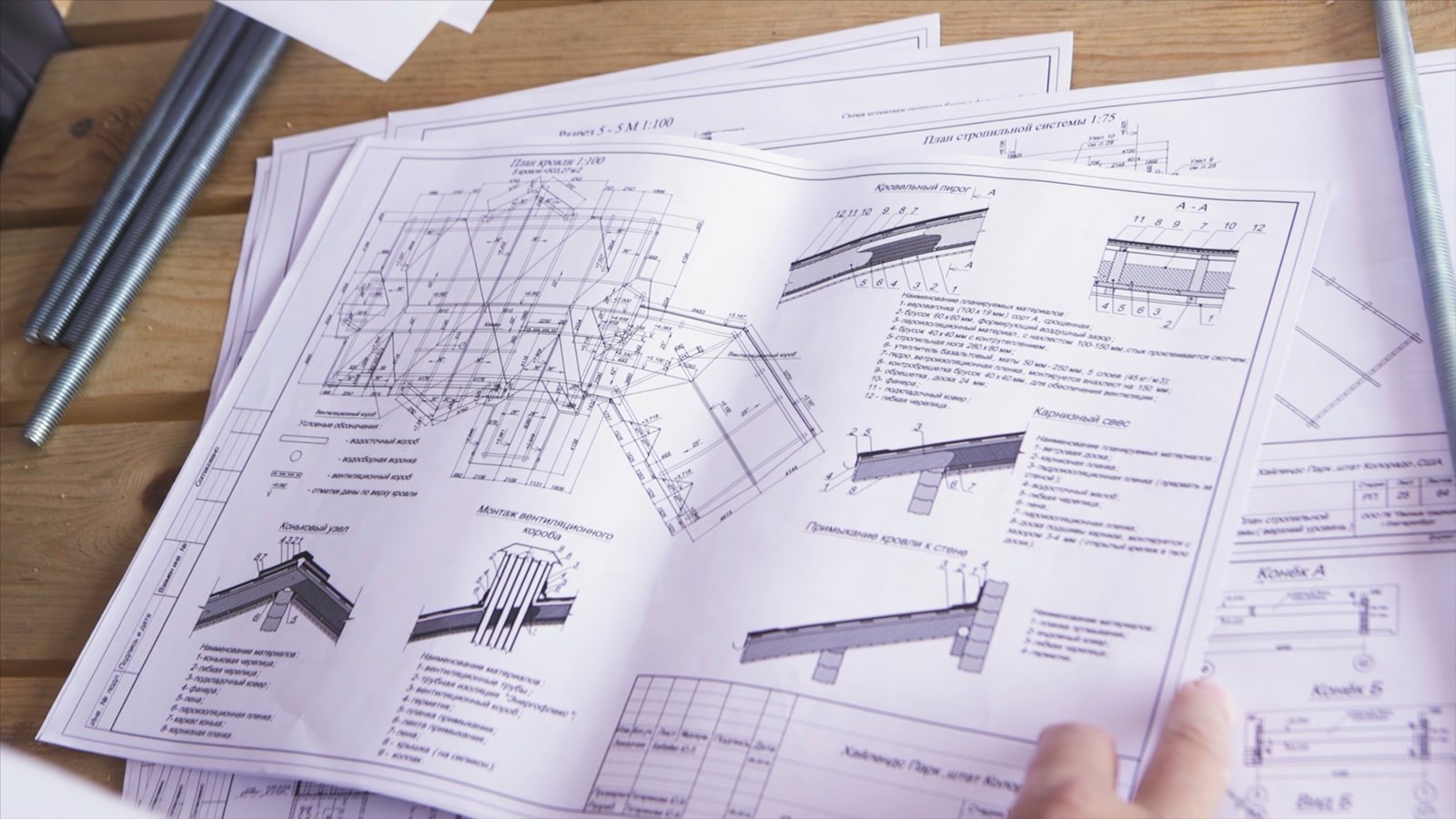
The data source for creating a 3D model is not always derived from point cloud data or laser scanning results. In many projects, as-built drawings are still used as the reference. An as-built drawing is a technical document that represents the final condition of a building after construction is completed, reflecting what has actually been built on site. It serves as an important reference for understanding existing conditions before developing a digital model.
However, in practice, creating 3D models from as-built drawings often comes with several challenges. Below are some of the most common issues encountered, along with practical solutions to address them.
- Inaccurate As-Built Drawings
As-built drawings often fail to accurately represent the actual condition of the building. This may be caused by undocumented changes during construction or clashes between building elements that were never updated. In many cases, as-built drawings are treated as a formality and are not revised after project handover.
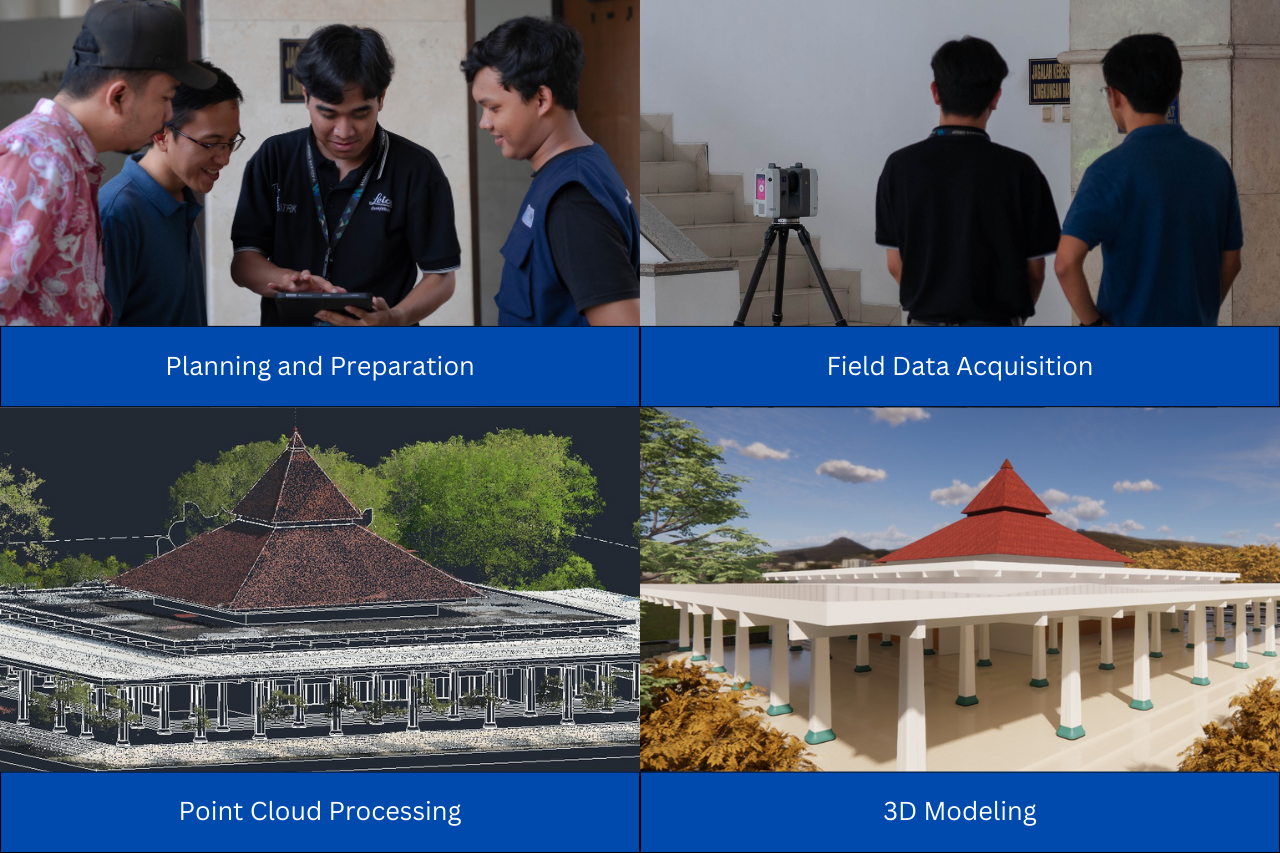
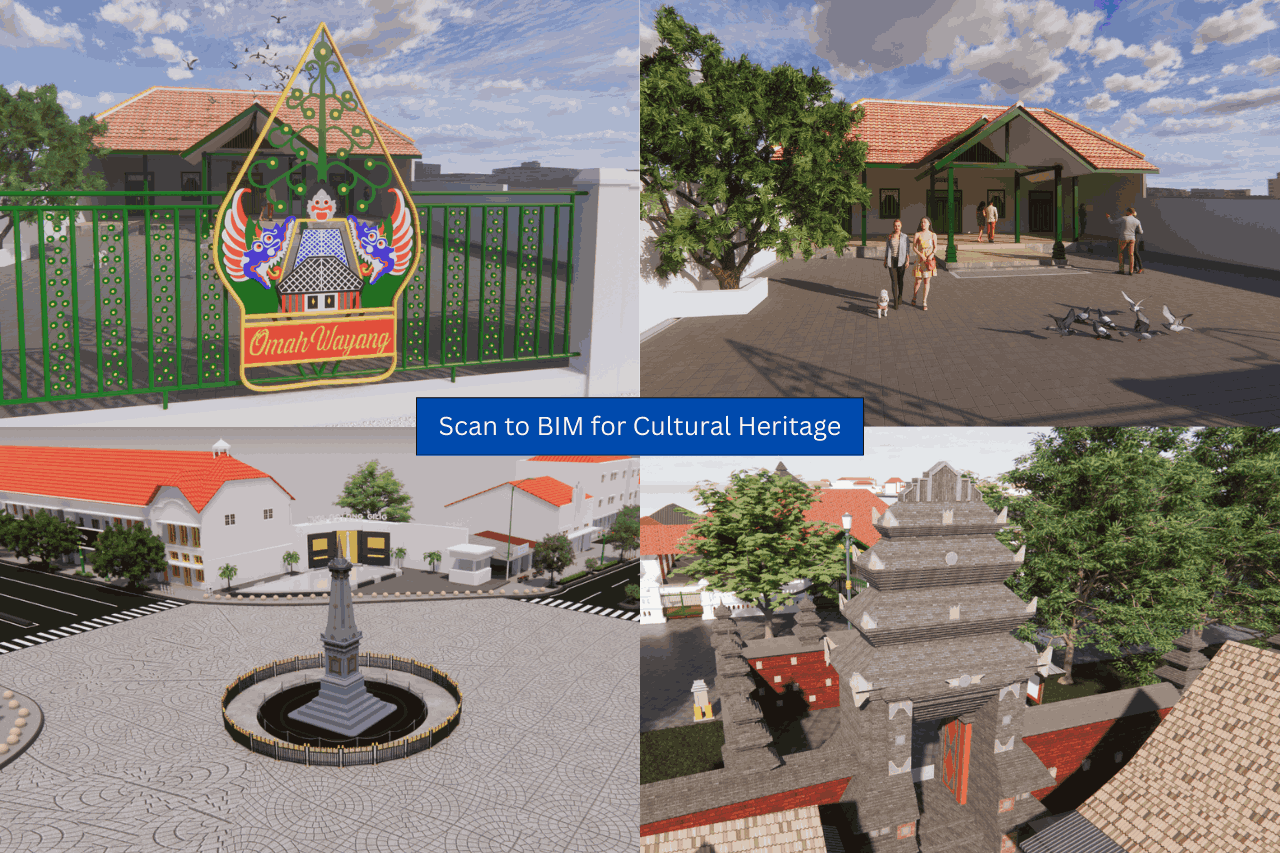
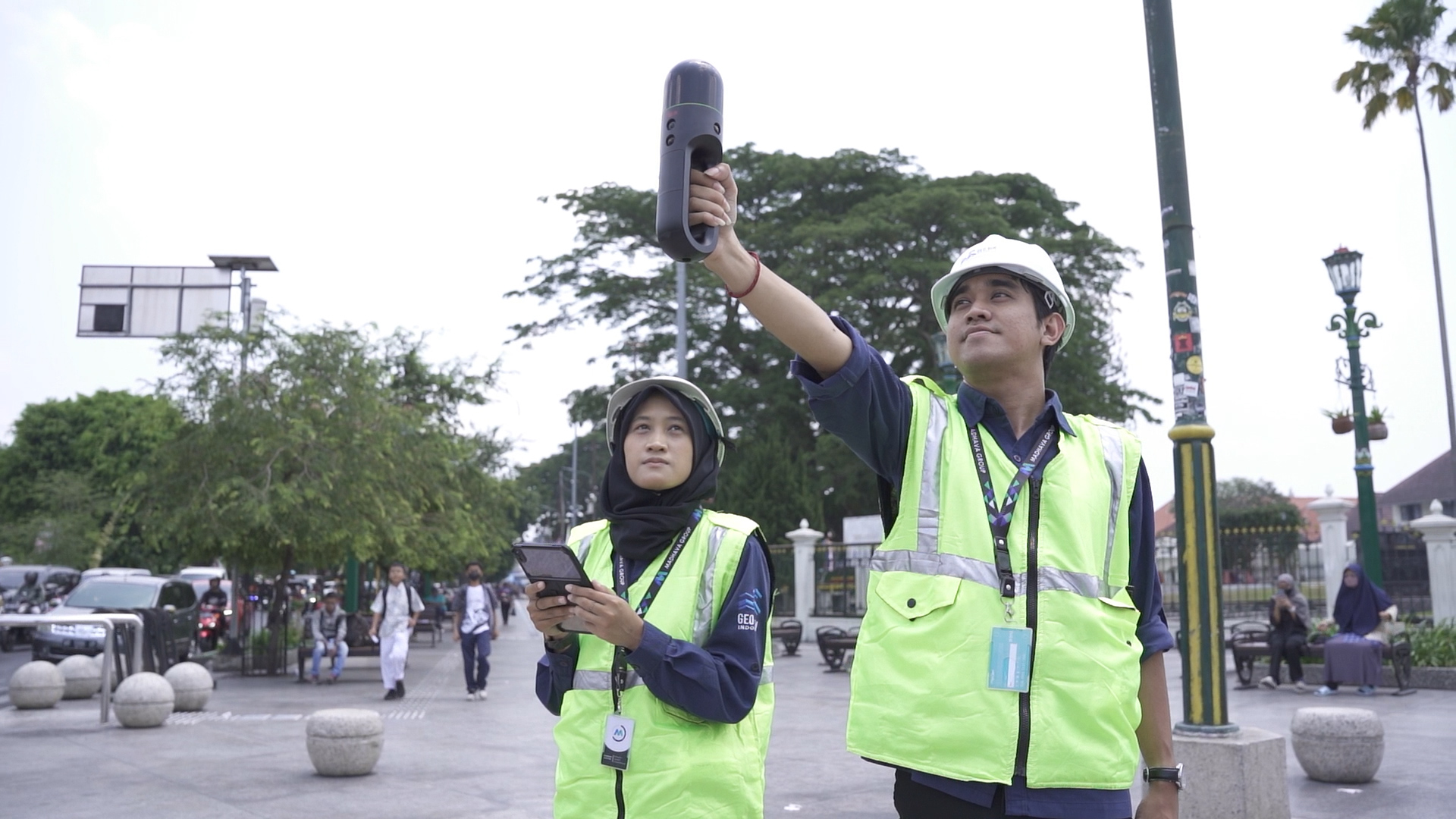
To overcome this issue, it is essential to validate critical areas of the building through site verification. Any discrepancies between the drawings and actual conditions should be clearly documented to avoid hidden assumptions during modeling. When high accuracy is required, especially for renovation or asset management purposes, applying a scan to BIM approach provides a more reliable solution by capturing the true existing condition of the building.
- Incomplete As-Built Documentation
Another common challenge is incomplete as-built documentation. Many projects only provide floor plans without supporting sections or elevations, while structural and MEP information is often missing or insufficient. This lack of data makes it difficult to create an accurate and reliable 3D model.
This challenge can be addressed by combining as-built drawings with other available sources such as shop drawings, site photographs, and technical reports. It is also important to define the modeling scope clearly at the beginning of the project to limit unnecessary assumptions. Using BIM as a framework allows the available information to be structured properly and enriched gradually as more data becomes available.
- Inconsistencies Between Drawings
Inconsistencies between plans, sections, and elevations are frequently encountered in as-built documentation. Differences in dimensions, levels, or layouts can significantly slow down the 3D modeling process and may lead to geometric errors if not handled carefully.
To mitigate this issue, a primary reference drawing should be established as the main basis for modeling. A data hierarchy must be defined to determine which information takes precedence when conflicts occur. Regular quality control throughout the modeling process is also critical to ensure consistency and accuracy in the final 3D model.
.png)
Despite the challenges, creating 3D models from as-built drawings remains highly valuable, particularly for existing buildings. When supported by proper validation methods, BIM workflows, and reality capture technologies, as-built–based 3D models can become reliable digital representations of real-world conditions.
These models are especially beneficial for facility management, as they support maintenance planning, renovation activities, and long-term asset management. Accurate 3D models enable better decision-making, reduce operational risks, and improve overall building performance.
As a BIM consultancy, GeoBIM Indonesia provides services in scan to BIM and 3D modeling, helping bridge the gap between unreliable as-built drawings and accurate digital building models. Through the right combination of technology and expertise, existing building data can be transformed into structured, accurate, and future-ready BIM models.
.png)