
What Is Facility Management?
Facility Management (FM) is a structured approach that covers all activities related to managing physical building assets to ensure they operate efficiently, safely, and effectively throughout their entire lifecycle. FM does not only focus on maintaining buildings, but also includes managing supporting systems such as electricity, water supply, HVAC systems, security, and spatial layout within a facility. The main goal of facility management is to ensure that all building components can support user activities without disruption or operational barriers. With proper management, a building is not only functional in a technical sense but also provides comfort, reliability, and long-term operational efficiency.
In practice, FM is also closely related to operational cost control and asset maintenance strategies to keep building systems in optimal condition. Every asset within a facility has a lifecycle that must be monitored, starting from installation, operation, maintenance, and eventually replacement. Without a structured system, the risk of unexpected breakdowns and high repair costs increases significantly, which can negatively impact operational performance. Therefore, modern facility management requires a system that can integrate data, processes, and documentation in a more structured and easily accessible way.
How BIM Supports Facility Management
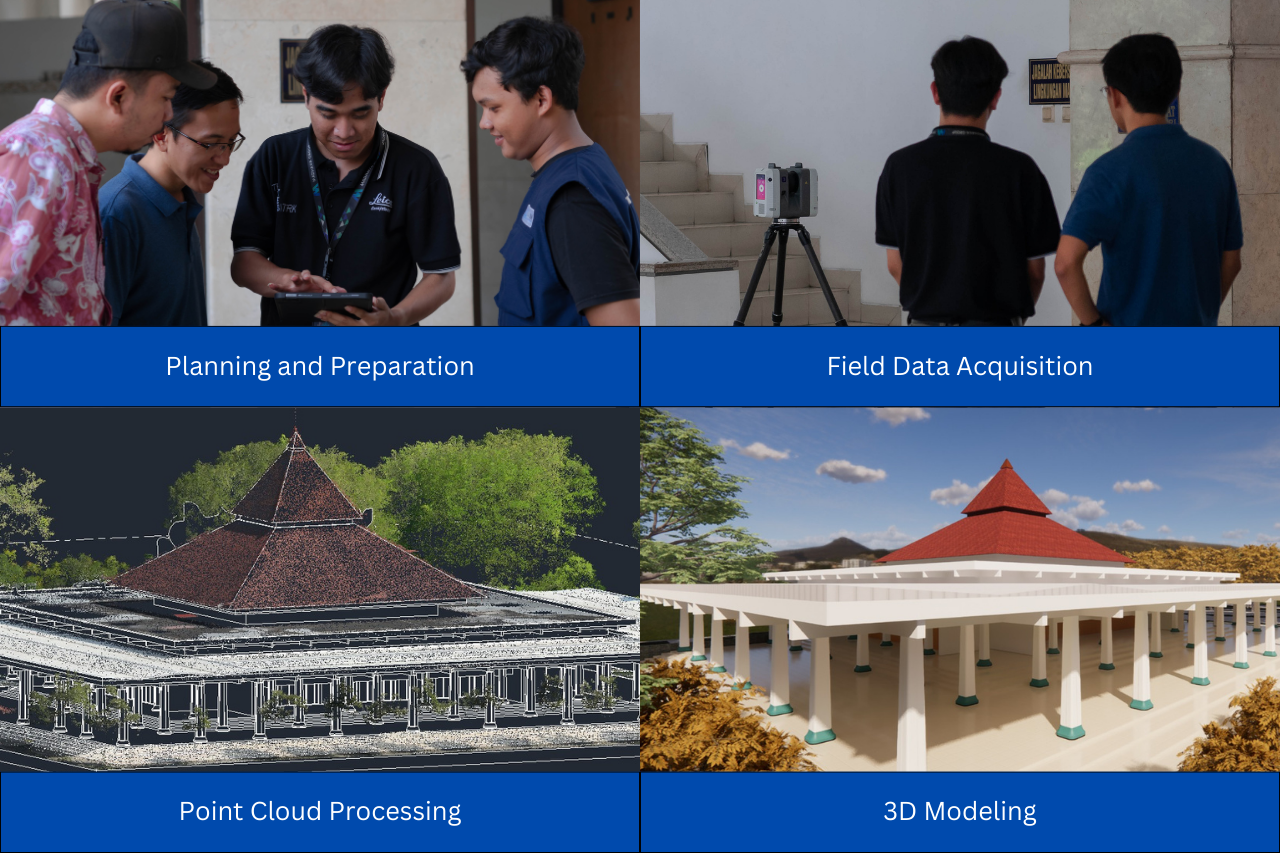
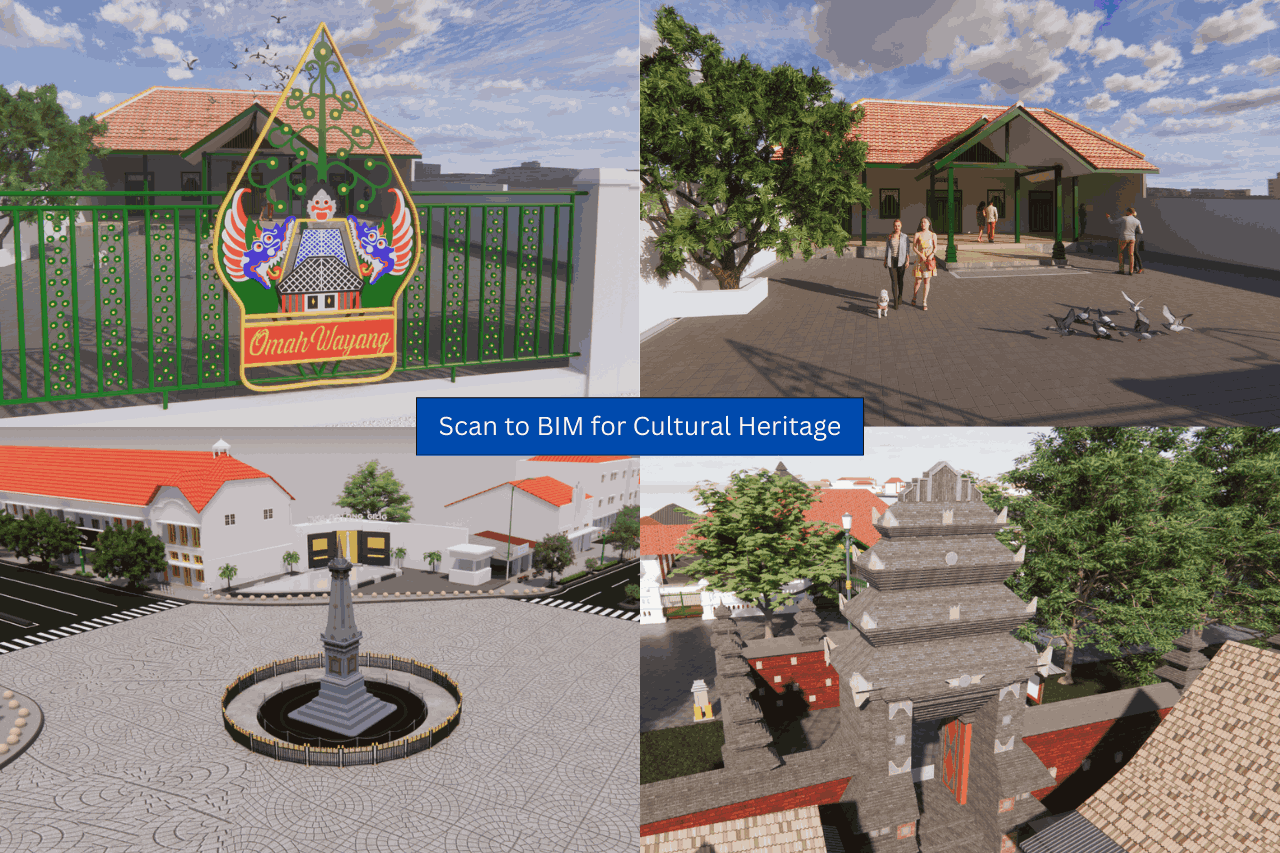
Building Information Modeling (BIM) is a technology that bridges this need by providing a comprehensive digital representation of a building. BIM is not just a 3D model, but also a data-rich system that stores detailed information about every building component, including technical specifications, materials, and maintenance history. In the context of facility management, BIM acts as a digital twin that mirrors the real condition of a building in a continuously updated digital environment.
With BIM, facility managers can access asset information more quickly and accurately without relying on scattered manual documents. For example, when a piece of equipment fails, users can immediately identify its location, technical specifications, and maintenance history directly from the BIM model. In addition, BIM enables visualization of relationships between building systems, making analysis and troubleshooting much easier and more efficient. This leads to better decision-making that is based on accurate and structured data rather than assumptions.
Another important advantage of BIM is its ability to be continuously updated according to real field conditions. Any changes in the building can be reflected in the model so that the digital version always represents the actual state of the facility. This makes BIM highly relevant not only during the design and construction phases but also throughout the operational and maintenance stages of a building’s lifecycle.
Benefits of BIM for Facility Management
The implementation of BIM in facility management provides significant improvements in operational efficiency and overall asset performance. One of the main benefits is improved asset management efficiency, as all information is integrated into a single digital model. This reduces the time required for inspections, troubleshooting, and asset identification in the field, making operational workflows more organized and effective.
BIM also contributes to reducing long-term operational costs. With access to historical data and real-time asset conditions, facility managers can implement preventive maintenance strategies instead of reactive repairs, which are typically more expensive. This proactive approach helps minimize the risk of major failures that could disrupt building operations. Furthermore, energy efficiency monitoring becomes easier when building systems are integrated within a BIM environment.
Another key benefit is improved data accuracy and consistency. Since all information is stored in a centralized system, the risk of data duplication, loss, or inconsistency is significantly reduced. BIM also enhances decision-making quality by providing visual and technical insights that allow managers to evaluate building conditions more comprehensively. As a result, facility management becomes more transparent, measurable, and accountable.
Moreover, BIM helps extend the lifespan of building assets. With well-planned, condition-based maintenance strategies, assets can operate more efficiently over a longer period. This not only reduces the need for early replacements but also improves the overall sustainability of infrastructure management.
GeoBIM Indonesia as Your Trusted Partner for Facility Management
Successful implementation of BIM in facility management requires a partner with strong technical expertise and experience in integrating geospatial data with digital modeling systems. GeoBIM Indonesia is one of the solution providers specializing in geospatial technology, Building Information Modeling, and data analytics to support digital transformation in infrastructure and building management.
GeoBIM Indonesia focuses on integrating field data with BIM systems to create accurate, reliable, and actionable information for decision-making. This approach is essential in today’s digital era, where the demand for fast, precise, and structured data continues to grow. By combining mapping technology with BIM, GeoBIM Indonesia enables more advanced and efficient facility management systems.
In addition, GeoBIM Indonesia supports the development of smart facility management concepts that emphasize data integration, 3D visualization, and location-based analysis. This allows asset managers to understand building conditions from both micro and macro perspectives. With this technology support, monitoring, evaluation, and maintenance planning can be carried out more effectively and with higher precision.
Conclusion
Facility management plays a crucial role in ensuring the sustainability and operational efficiency of modern buildings. As asset management becomes increasingly complex, traditional methods are no longer sufficient to address current challenges. A system that integrates data, visualization, and asset information in a single platform is essential.
Building Information Modeling (BIM) provides a powerful solution by offering a dynamic and data-rich digital representation of buildings. Through BIM, facility management becomes more efficient, accurate, and data-driven, leading to improved decision-making processes. With the support of partners like GeoBIM Indonesia, the implementation of BIM in facility management can be optimized to support more sustainable and intelligent infrastructure management for the future.
For consultation on BIM-based facility management solutions, contact GeoBIM Indonesia!
📞 082134939917 (Sales Engineer GeoBIM)

.png)