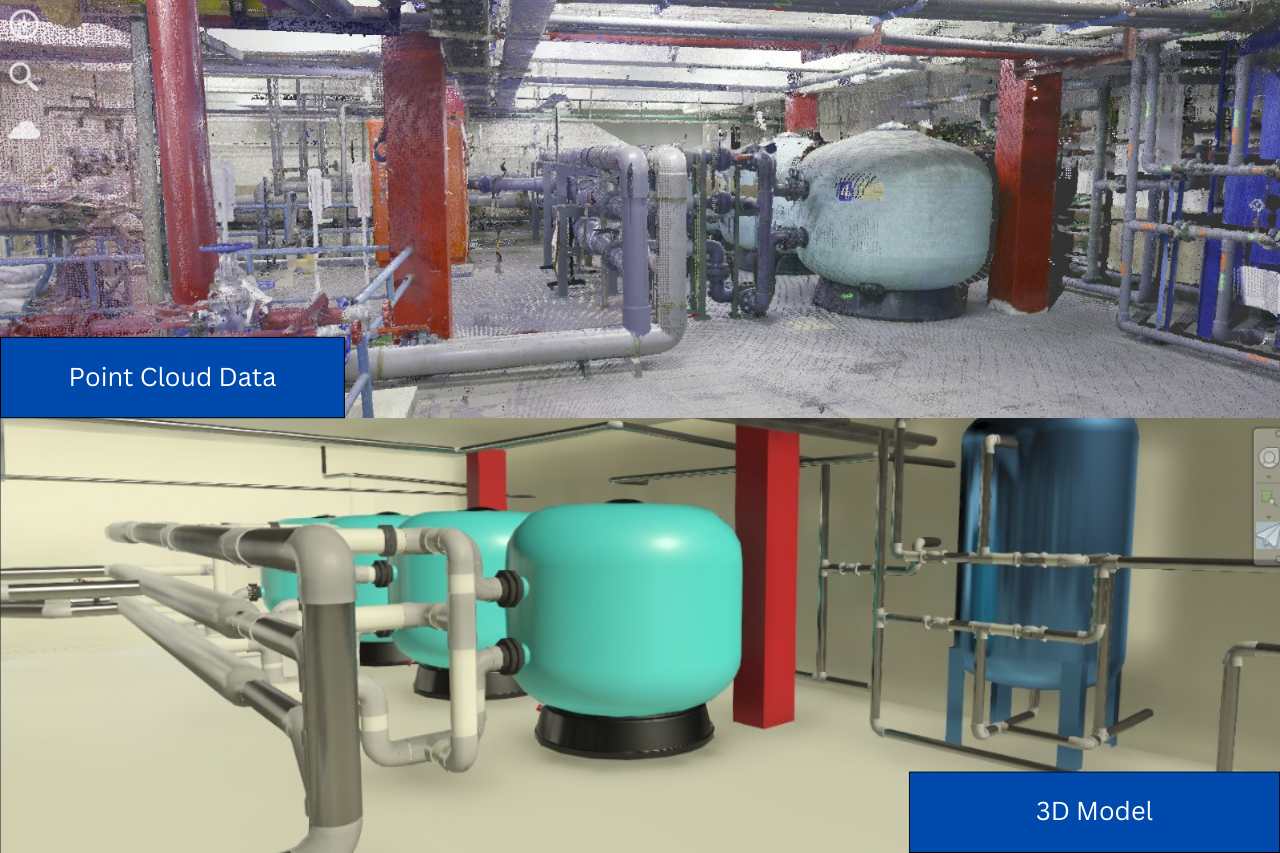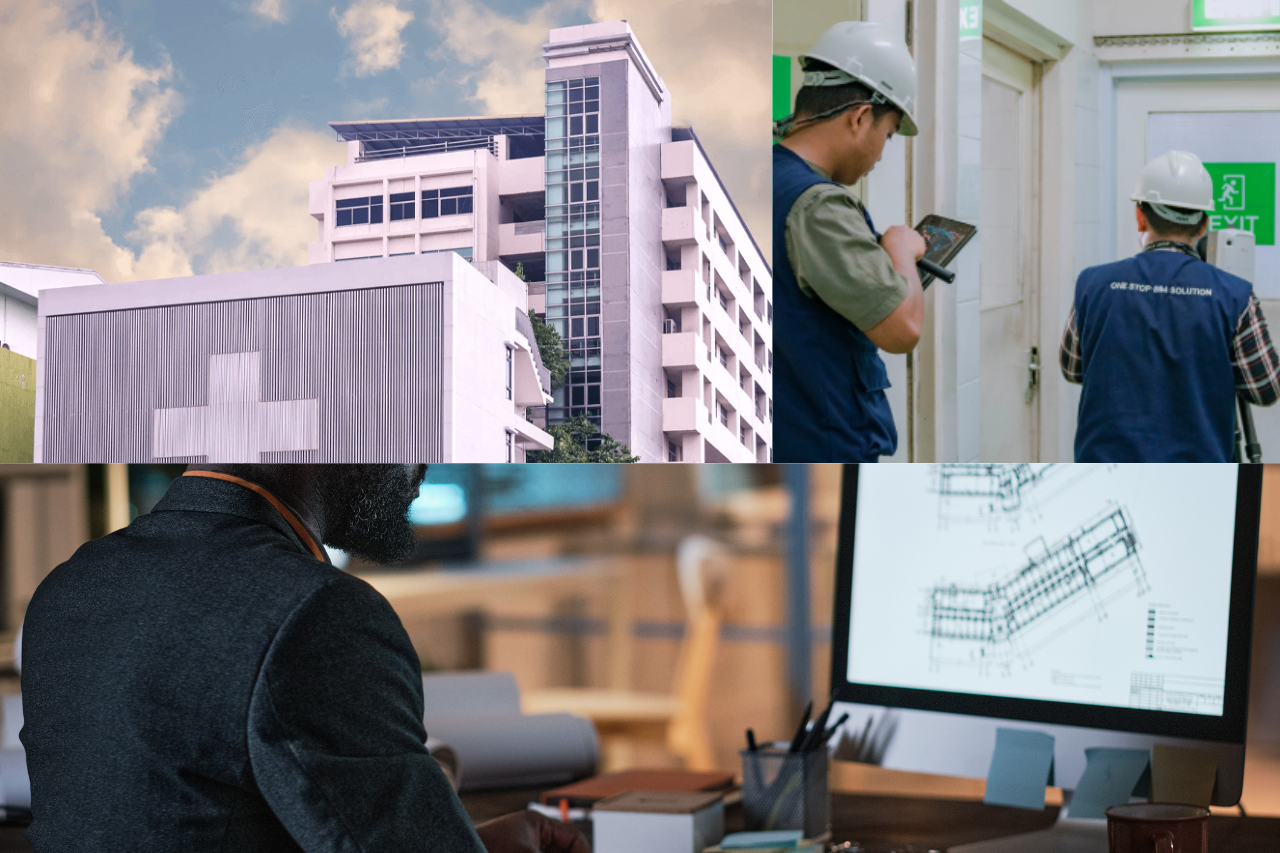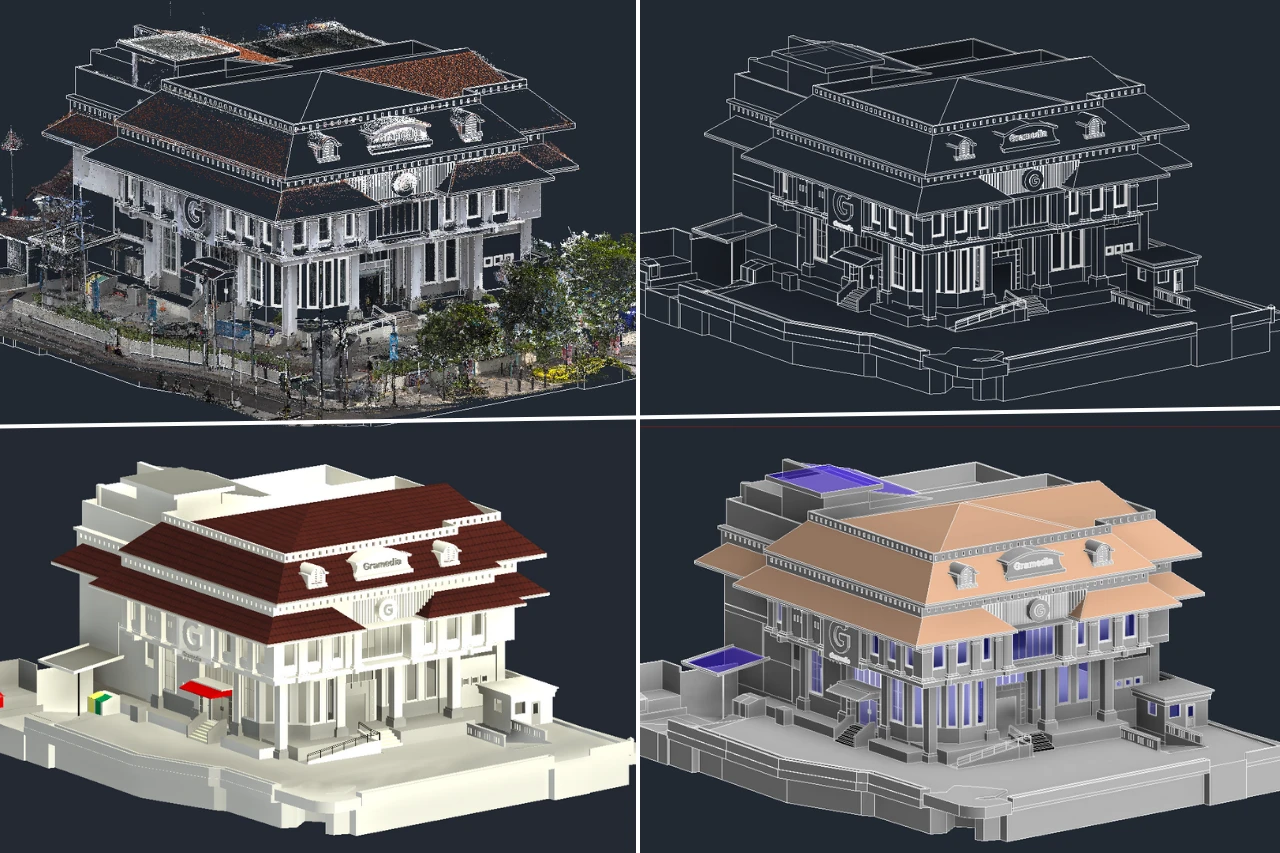

In modern construction and infrastructure management, Building Information Modeling (BIM) is no longer simply understood as a 3D digital representation of a building. Instead, BIM has evolved into a data-driven methodology that integrates the entire building lifecycle, from planning and design to construction, operation, and maintenance. This evolution makes BIM a critical foundation for improving efficiency, coordination, and long-term sustainability in built environments.
As buildings become more complex, the operational and maintenance phase requires a more structured and intelligent approach. This is where 7D BIM plays a crucial role, as it focuses on facility management and asset lifecycle optimization. By integrating detailed asset information into a digital environment, 7D BIM enables smarter decision-making and more efficient building operations.
BIM Dimensions
BIM dimensions describe the level of information embedded within a digital building model. The concept starts from 3D BIM, which represents the geometric structure of a building, and expands to 4D BIM, which adds time and scheduling aspects. It then evolves into 5D BIM for cost estimation, 6D BIM for sustainability and energy performance, and finally 7D BIM, which is dedicated to facility management and building operations. Each dimension adds a new layer of intelligence, making BIM increasingly valuable across the entire building lifecycle.
What Is 7D BIM and What Information Does It Include?
7D BIM is the phase of BIM that focuses on the operational stage of a building, particularly facility management, maintenance planning, and long-term asset optimization. At this stage, a building is not only viewed as a physical structure but as a system of interconnected assets that must be continuously monitored, maintained, and optimized to ensure peak performance.
Within a 7D BIM environment, every building component contains structured and accessible digital information. This includes maintenance schedules that define when equipment should be inspected or serviced, asset and equipment data that stores technical specifications and installation details, and warranty information that supports vendor coordination and claims management. It also includes operation manuals that guide technicians in handling systems correctly, component lifespan data used to estimate replacement cycles, and maintenance history records that document all repair and service activities over time.
By consolidating all this information into a single digital model, 7D BIM creates a centralized source of truth for facility managers. This enables a shift from reactive maintenance to more advanced strategies such as preventive maintenance and condition-based maintenance, which significantly improve operational efficiency and reduce unexpected failures.
Benefits of 7D BIM in Facility Management
The implementation of 7D BIM brings significant improvements to modern facility management practices. One of the key benefits is faster and easier access to asset information, as all building data is stored within a single integrated digital environment. This reduces the time spent searching for documents and allows facility teams to respond more quickly to operational issues in the field.
Another major advantage is cost efficiency in building operations. With accurate historical data and real-time asset information, maintenance activities can be planned more effectively, reducing the likelihood of expensive emergency repairs. This proactive approach helps organizations optimize maintenance budgets while maintaining building performance at a high level. Additionally, operational workflows become more structured and transparent because all activities are systematically recorded within the BIM environment.
7D BIM also contributes to extending the lifespan of building assets. By ensuring that maintenance is carried out at the right time and based on actual conditions, each component can operate within its optimal performance range. This not only improves reliability but also enhances the sustainability of the building by reducing unnecessary resource consumption and premature replacements.
GeoBIM Indonesia: Your Trusted Partner for 7D BIM Solutions
Successful implementation of 7D BIM requires a partner with strong expertise in both geospatial technology and digital building modeling. GeoBIM Indonesia is a trusted provider specializing in the integration of geospatial data, BIM workflows, and asset management systems to support digital transformation in the construction and infrastructure sectors.
GeoBIM Indonesia focuses on delivering end-to-end BIM solutions that extend beyond design and construction phases into operational and facility management stages. By combining mapping technologies, digital twins, and asset information systems, GeoBIM Indonesia enables organizations to build smarter and more efficient facility management ecosystems.
Through this integrated approach, GeoBIM Indonesia helps organizations monitor building conditions, plan maintenance activities, and make data-driven decisions with greater accuracy. This ensures that facility management processes become more intelligent, scalable, and sustainable in the long term.
Conclusion
7D BIM represents a major advancement in Building Information Modeling, shifting the focus toward building operation and maintenance. By integrating maintenance schedules, asset data, warranty information, and service history into a unified digital system, 7D BIM significantly improves efficiency, reduces operational costs, and extends asset lifespan. With the support of advanced solutions and trusted partners like GeoBIM Indonesia, organizations can transform traditional facility management into a smarter, data-driven, and future-ready system.
For consultation on BIM-based facility management solutions, contact GeoBIM Indonesia!
📞 082134939917 (Sales Engineer GeoBIM)
.png)