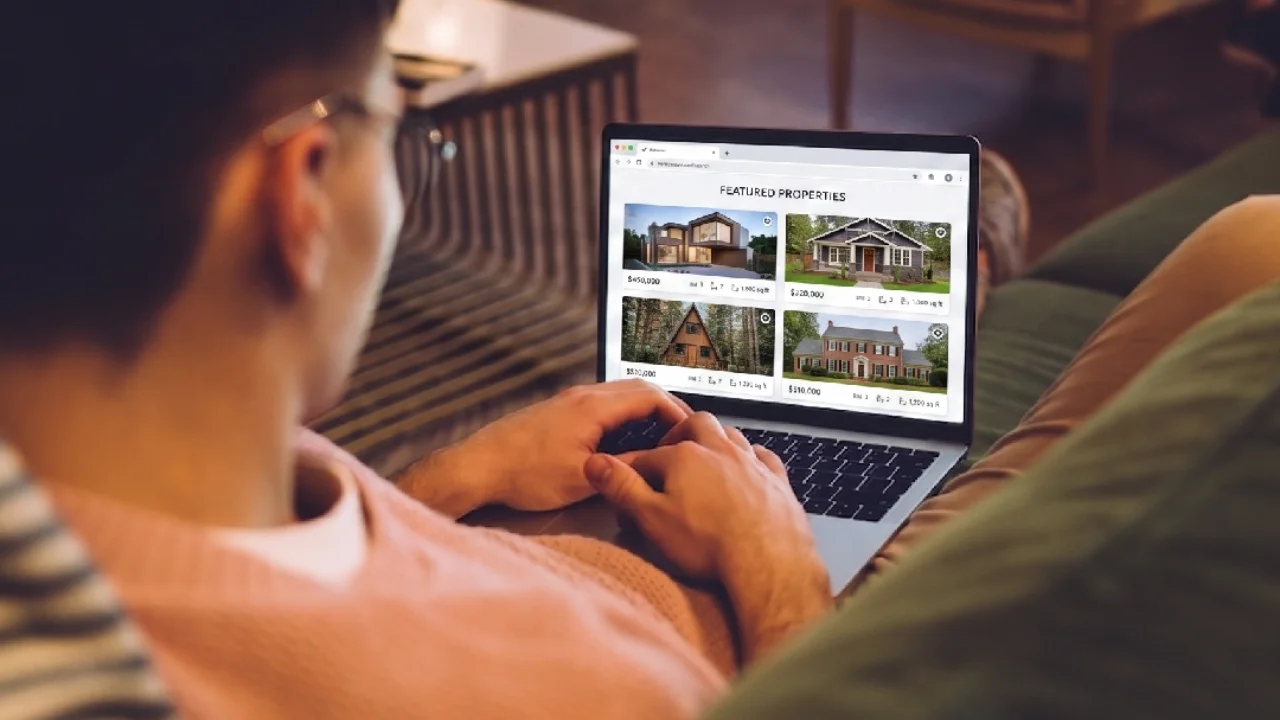
When searching for a house, apartment, or other types of property, many potential buyers now begin their search through a smartphone or laptop. They browse property websites, social media, marketplaces, and digital catalogs before deciding whether a property is worth visiting in person. This makes the first impression of a property in the digital environment increasingly important.
Photos have long been a standard tool in property marketing. Videos are also widely used to showcase buildings in a more engaging way. However, another technology offers a different experience and is still underutilized by many developers and property agents: 3D Virtual Tours. Unlike conventional photos and videos, a 3D Virtual Tour allows potential buyers to explore a property more freely and interactively.
What Is a 3D Virtual Tour?
A 3D Virtual Tour is a digital representation of a building or space that allows users to explore the location virtually using devices such as smartphones, tablets, or computers. Users can move from one room to another, change their viewing direction, inspect interior details, and understand the relationship between different spaces as if they were physically walking through the property. This provides a more comprehensive view than simply looking at a collection of photos.
Beyond visual information, a 3D Virtual Tour can also help users understand the layout and spatial proportions of a property. They can see how the living room connects to the kitchen, get a better sense of a bedroom's size, or understand how different areas are connected. This is particularly useful because conventional property photos can make it difficult to understand spatial relationships from only a few selected angles.
When considering a property, potential buyers usually need a considerable amount of information before deciding to schedule an in-person visit. Photos can create an attractive visual presentation, but what users see depends heavily on the selected camera angles. Videos provide a more dynamic experience, but viewers still have to follow the sequence determined by the person who created the video.
A 3D Virtual Tour, on the other hand, is interactive. Potential buyers can decide what they want to explore and how long they want to spend in a particular area. For example, if they are interested in a bedroom, they can explore that space in greater detail. If they want to understand the connection between the kitchen and dining area, they can move between those spaces without following a predetermined video sequence. This gives potential buyers greater control over how they explore a property.
For developers and property agents, this can provide several benefits:
- Increase buyer engagement through a more interactive property marketing experience.
- Build greater transparency by allowing potential buyers to explore the property's condition and layout.
- Set clearer expectations before an in-person property visit.
- Reduce less-qualified site visits because potential buyers can evaluate the property virtually beforehand.
- Save marketing time by allowing multiple potential buyers to explore the same property without requiring a physical visit.
3D Virtual Tour vs. Property Video: Which Is More Effective?
Property videos and 3D Virtual Tours serve different purposes and can work together as part of a digital marketing strategy. Videos are highly effective for creating an emotional impression. Developers can use music, transitions, narration, and carefully selected camera angles to highlight the best features of a property. Because videos can be produced in a relatively short format, they are also well suited for social media and digital advertising. Meanwhile, 3D Virtual Tours are more suitable when potential buyers need a deeper exploration of the property.
| Aspect | Virtual Tour 3D | Video |
| Interactivity | Interactive and user-controlled, allowing viewers to explore freely | Passive viewing, with the camera movement predetermined |
| Information Provided | Provides a clearer view of room details, dimensions, layout, and spatial relationships | Visual information is limited to selected angles and camera movements |
| Accuracy & Transparency | High, as users can explore the property more independently and get a closer view of the actual space | Relatively good, but limited by the selected camera angles |
| Best For | Remote property viewing, property exploration, presentations, and virtual surveys | Advertising, social media, and property presentations |

XGRIDS PortalCam for Creating 3D Virtual Tours
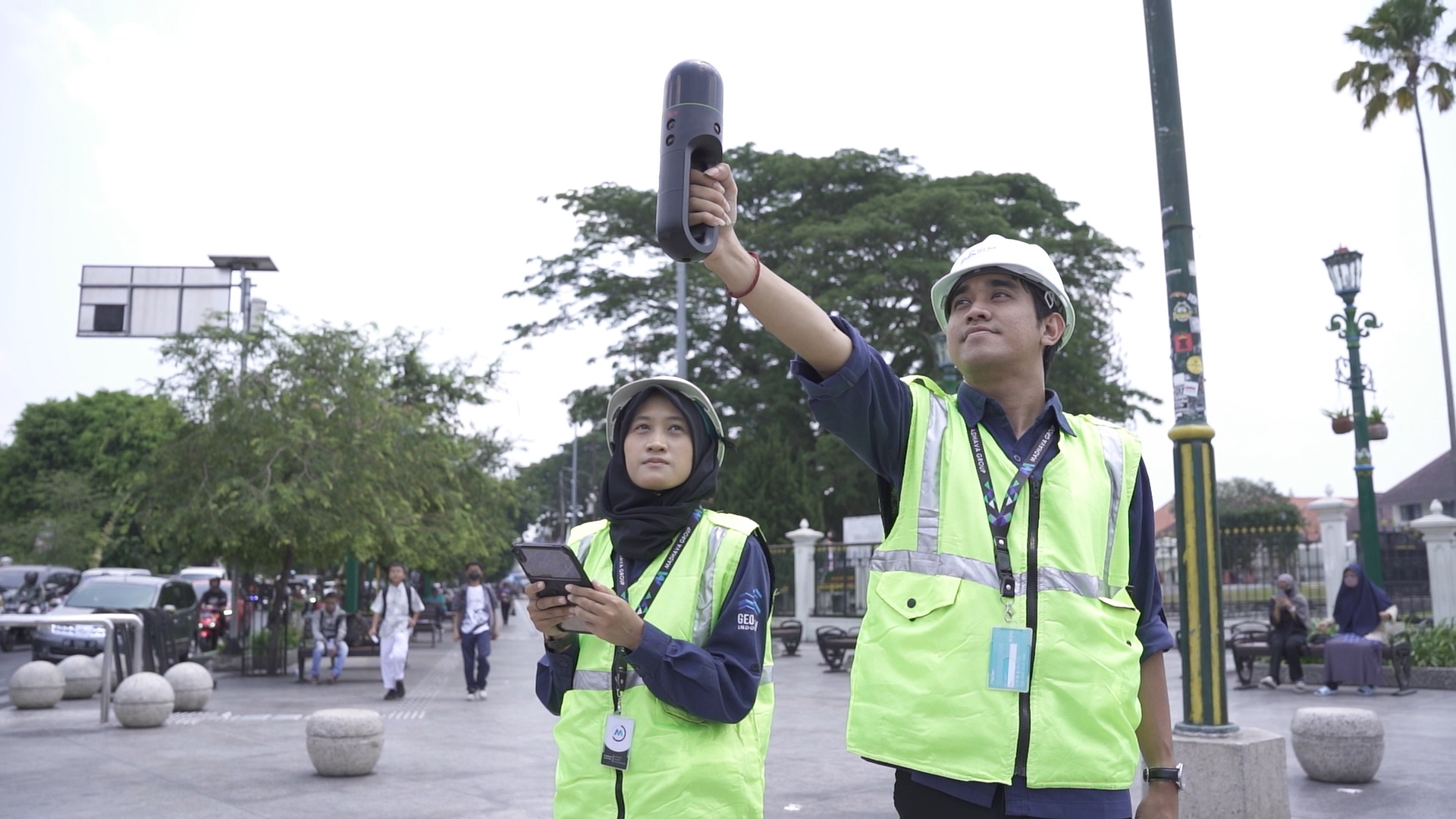
One of the challenges in creating a 3D Virtual Tour is capturing the physical space. Many people assume that producing a 3D model or virtual tour requires complicated processes, expensive equipment, and extensive production time. Advances in reality capture technology have made this process more practical. One of the technologies that can support this workflow is XGRIDS PortalCam.
PortalCam provides a flexible solution for capturing indoor environments efficiently. For property marketing, this can be useful for documenting houses, apartments, showrooms, commercial spaces, and other properties without relying on an overly complex production workflow. Once the space has been captured, the resulting data can be processed into a digital representation that users can explore interactively. This makes PortalCam more than a visual documentation tool. It can become part of a digital property marketing workflow, helping teams transform physical spaces into interactive digital experiences. For developers and property agents, an efficient capture process can be valuable. The faster a property unit can be documented and converted into a Virtual Tour, the sooner the digital marketing material can be prepared and presented to potential buyers.
Gaussian Splatting for More Photorealistic Property Visualization
Another technology contributing to the development of immersive digital experiences is 3D Gaussian Splatting. In simple terms, Gaussian Splatting is a 3D representation and rendering technique that can produce highly realistic visuals from captured spatial data. Compared with some conventional 3D models that may appear rigid or less natural, Gaussian Splatting can create a smoother and more photorealistic representation of a real environment.
For property marketing, visual quality matters. Potential buyers are not only interested in the basic layout of a property. They may also want to get a better sense of the atmosphere of the space: how light enters a room, how wall and floor textures appear, or how the interior feels as a whole. With Gaussian Splatting, a Virtual Tour can provide a more immersive representation of the property. The experience can feel more natural and closer to exploring the actual space. This can be particularly valuable for premium residential properties, apartments, show units, commercial properties, and other projects that rely heavily on visual presentation.
Turn Your Property into a Digital Experience with GeoBIM Indonesia
Looking to make your property easier to explore and showcase digitally?
GeoBIM Indonesia provides spatial scanning and 3D Gaussian Splatting services to transform physical spaces into interactive and realistic digital representations. Through spatial scanning, property details and spatial conditions can be captured digitally for documentation, visualization, and further modeling needs. The captured data can also be developed into 3D Gaussian Splatting, creating a more photorealistic and immersive representation of the actual space. Whether you are working with a house, apartment, showroom, commercial property, or other building, GeoBIM Indonesia can help turn the physical space into a digital model that is easier to explore and present.
Need your property scanned and modeled digitally? Get in touch with GeoBIM Indonesia and bring your space into a more immersive digital experience.
📞 082134939917 (Sales Engineer GeoBIM)
.png)