The use of Building Information Modeling (BIM) in construction projects, both infrastructure and building developments, is growing rapidly. In BIM-based planning processes, potential conflicts between design elements are often identified through what is known as clash detection.
So, what exactly is clash detection, and why is this process so important during the construction stage?
Definition of Clash Detection
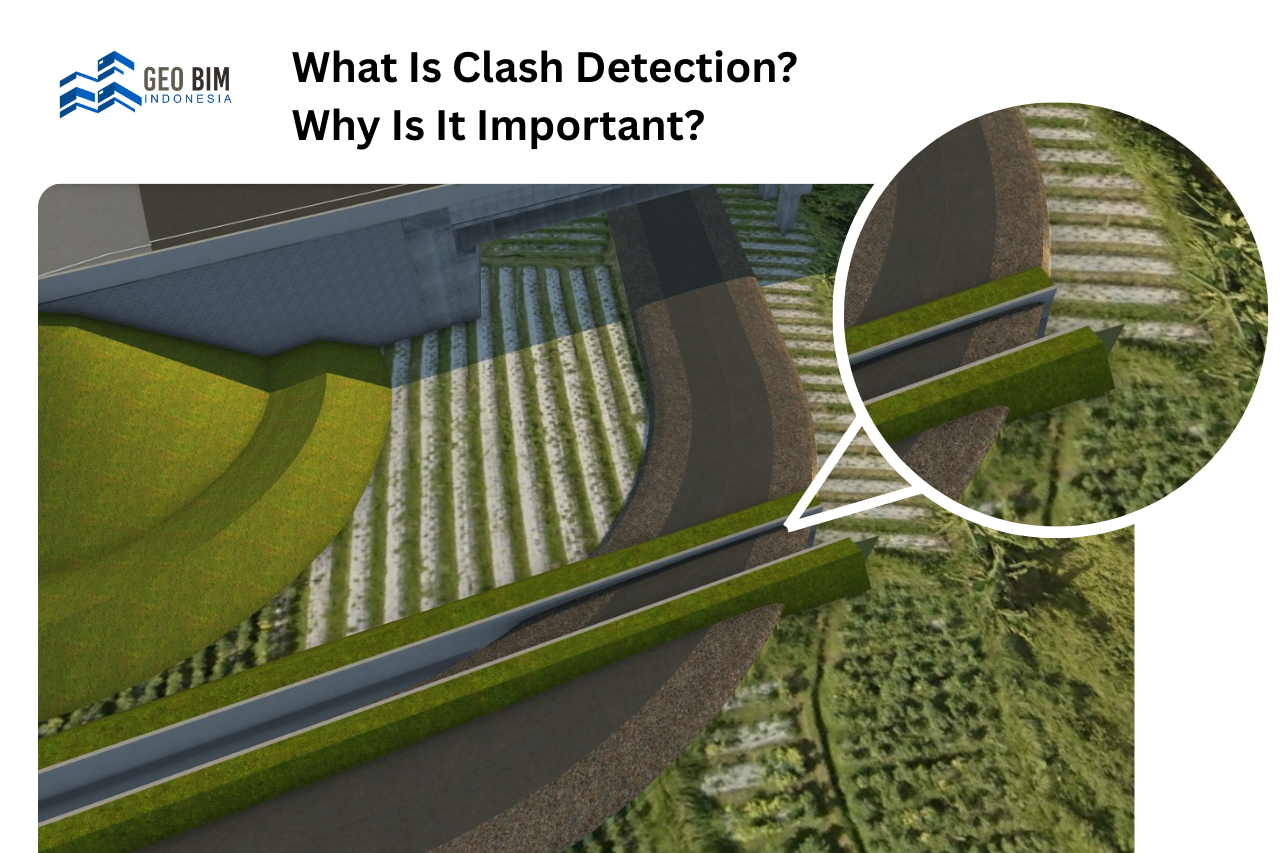
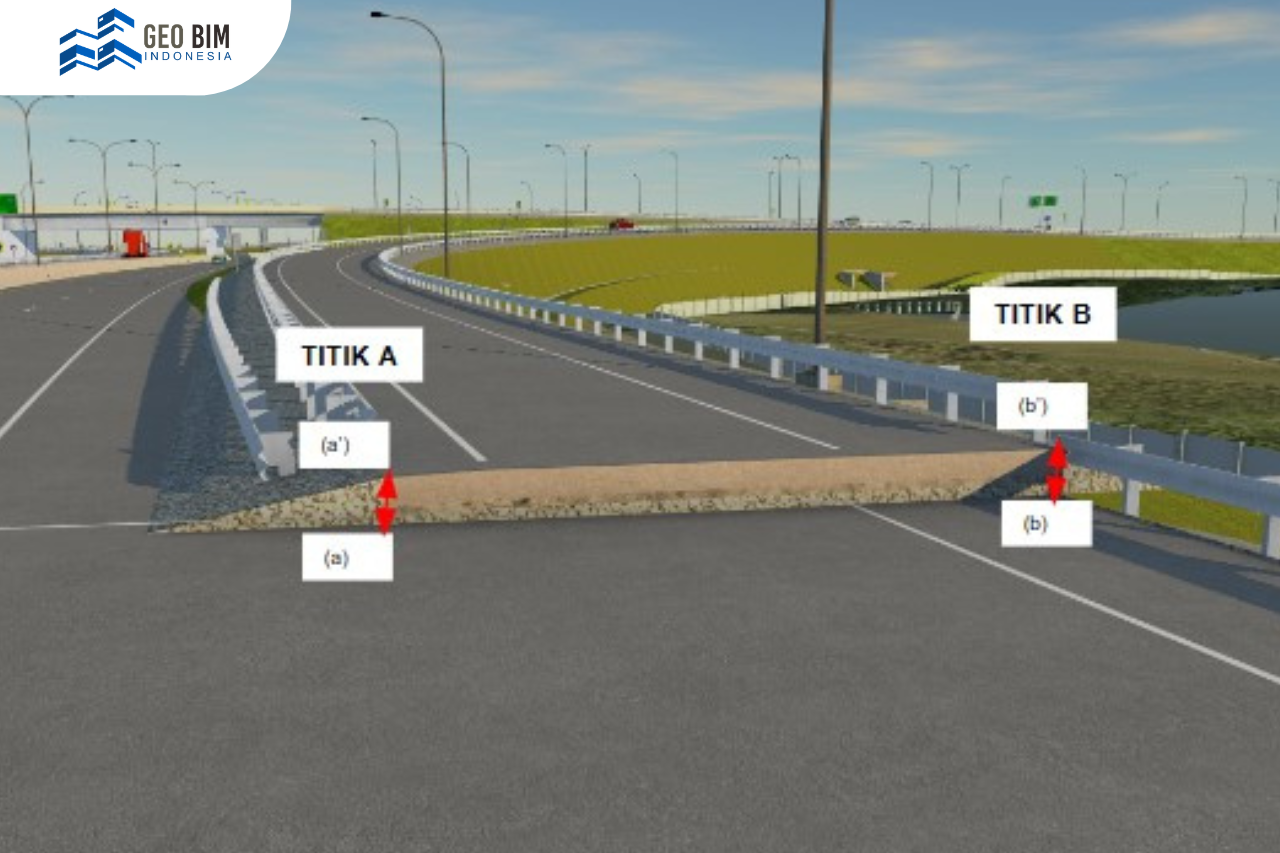
Clash detection is a term in BIM that generally refers to the process of identifying, reviewing, and reporting conflicts or interferences between elements within a project model during the design and pre-construction phases.
This process is used to check and coordinate work from various disciplines, such as architecture, structural engineering, and MEP (Mechanical, Electrical, and Plumbing), in order to minimize the risk of human error that may occur during construction.
In other words, clash detection allows project teams to identify potential issues digitally before they occur on-site. Conflicts that would traditionally only become visible during construction can now be anticipated and resolved at the planning stage.
In conventional construction projects that rely on 2D drawings, clashes are often identified only after work has already begun. This can lead to sudden design revisions, Requests for Information (RFI), variation orders, project delays, and cost overruns. Through 3D model-based clash detection, all project elements are visualized in an integrated environment. The checking process is carried out systematically to ensure that no elements overlap or interfere with the functionality of other systems.
Benefits of Implementing Clash Detection
The implementation of clash detection in BIM provides several strategic advantages for construction projects, including:
- Minimizing and Eliminating On-Site Conflicts. By detecting potential clashes during the design phase, on-site conflicts can be significantly reduced or even eliminated. This directly helps reduce the number of RFIs caused by design discrepancies or poor coordination between disciplines.
- Visualizing Construction, Phasing, and Logistics. BIM models enable comprehensive visualization of the construction process, including work sequencing and on-site logistics planning. This supports better preparation and more effective coordination among project teams.
- Reducing Construction Costs by Minimizing Variation Orders. Design changes during construction often result in variation orders that increase project costs. With clash detection, revisions can be made digitally before construction begins, reducing the likelihood of costly changes in the field.
- Shortening Construction Time. Since conflicts are resolved during the design stage, construction activities can proceed more smoothly with fewer interruptions, leading to faster project completion.
- Improving On-Site Productivity. Construction teams can work more efficiently when designs are well-coordinated. Fewer revisions and technical disruptions help improve overall productivity.
- More Accurate Representation. Integrated 3D models provide a more accurate representation of the design compared to traditional 2D drawings. Each element has clear dimensions and positioning, reducing the risk of misinterpretation.
Conclusion
Clash detection is a crucial process in BIM implementation, aimed at identifying, reviewing, and reporting potential conflicts between project elements during the design and pre-construction stages. Early detection helps minimize human error, reduce on-site conflicts, and improve cost and time efficiency.
As a BIM consultant, Geo BIM Indonesia is committed to delivering the highest quality services in every project, from model coordination and 3D modeling services to clash detection and scan-to-BIM solutions. With a professional and structured approach, each project is designed to ensure accurate planning, efficiency, and added value for our clients.
Don’t let potential clashes hinder the success of your project. Consult your BIM needs with Geo BIM Indonesia to achieve coordinated, accurate, and efficient solutions from the very beginning.
.png)