What is BIM?
Building Information Modeling (BIM) is the process of creating and managing digital representations of the physical and functional characteristics of buildings and infrastructure. BIM integrates 3D models with comprehensive project data, enabling its use throughout the entire asset lifecycle: from planning, design, and construction to operation and maintenance. With benefits such as time efficiency, reduced risks, and improved collaboration, BIM has become an essential part of the digital transformation of Indonesia’s construction sector.
For practitioners, consultants, and government agencies, understanding BIM regulations is crucial to ensure that projects are executed according to standards and remain compliant with legal frameworks. Below are the key regulations that govern or promote the implementation of BIM in Indonesia.
-
ISO 19650 – International Standard for BIM-Based Information Management
ISO 19650 is a globally recognized standard for managing information throughout the lifecycle of a built asset using BIM. It outlines how project information should be created, managed, stored, and shared in a structured and consistent manner. This framework ensures that all stakeholders:consultants, contractors, and asset owners, follow a unified and standardized workflow. Scope of ISO 19650:
- ISO 19650-1: Concepts and principles of information management
- ISO 19650-2: Information management during the design and construction (delivery) phase
- ISO 19650-3: Information management during the operational phase
- ISO 19650-4: Information exchange (Exchange Information Requirements)
- ISO 19650-5: Information security and risk management
-
Ministry of Public Works Regulation No. 22/2018 (Permen PUPR Nomor 22 Tahun 2018)
This regulation is the first in Indonesia to explicitly mandate the use of BIM for non-simple State Buildings (Bangunan Gedung Negara). It applies to buildings larger than 2,000 m² or those with more than two floors. Under this regulation, BIM must be used to produce key design outputs, including architectural, structural, MEP drawings, landscape designs, quantity take-offs, and cost estimates (RAB).
The goal is to improve accuracy, accelerate coordination, and reduce design conflicts early in the project. This regulation serves as a cornerstone for BIM adoption in government-owned building projects.
-
Government Regulation No. 16/2021 (Peraturan Pemerintah Nomor 16 Tahun 2021
Government Regulation No. 16 of 2021 further strengthens BIM implementation by establishing minimum BIM levels for certain types of construction projects. For Technology-Dense Projects, BIM must be applied at a minimum of 5D, ensuring accurate and measurable planning for time and cost. Meanwhile, Capital-Intensive Projects must implement BIM up to 8D, including energy analysis (6D), operations & maintenance (7D), and safety (8D). These requirements reflect the government’s aim to ensure that large-scale, high-value projects have strong, transparent, and efficient information management throughout their lifecycle.
-
Circular Letter of the Director General of Highways No. 11/SE/DB/2021 – BIM for Roads and Bridges (SE Dirjen Bina Marga No. 11/SE/DB/2021)
This Circular by the Directorate General of Highways provides specific technical guidance for BIM implementation in road and bridge projects. The regulation covers three major phases: planning, construction, and maintenance.
During the planning phase, BIM improves design accuracy and ensures alignment with actual site conditions. In the construction stage, BIM supports contractors with work coordination, risk management, and digital progress monitoring. For the maintenance phase, BIM serves as a comprehensive information source supporting long-term asset management, including routine maintenance and rehabilitation.
-
Ministry of Public Works Regulation No. 9/2021 (Permen PUPR Nomor 9 Tahun 2021)
This regulation focuses on sustainable construction practices. It promotes the adoption of digital technologies such as BIM to support more efficient planning and construction processes. BIM is considered a key tool for achieving sustainability goals because it can help reduce material waste, improve estimation accuracy, and enhance project transparency. With integrated data support, BIM also facilitates environmental footprint analysis, such as energy evaluation, material optimization, and waste management.
GeoBIM Indonesia: Your Trusted BIM Consultant
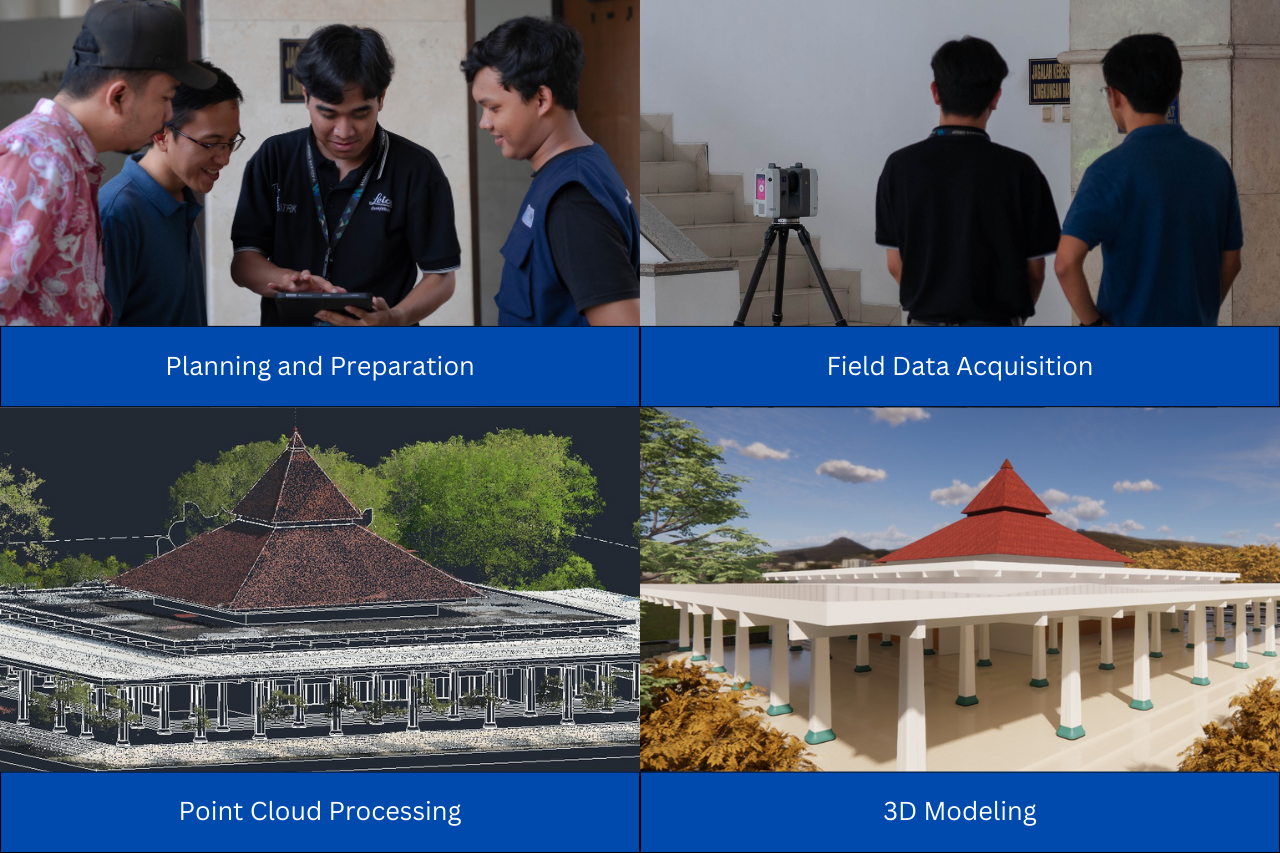
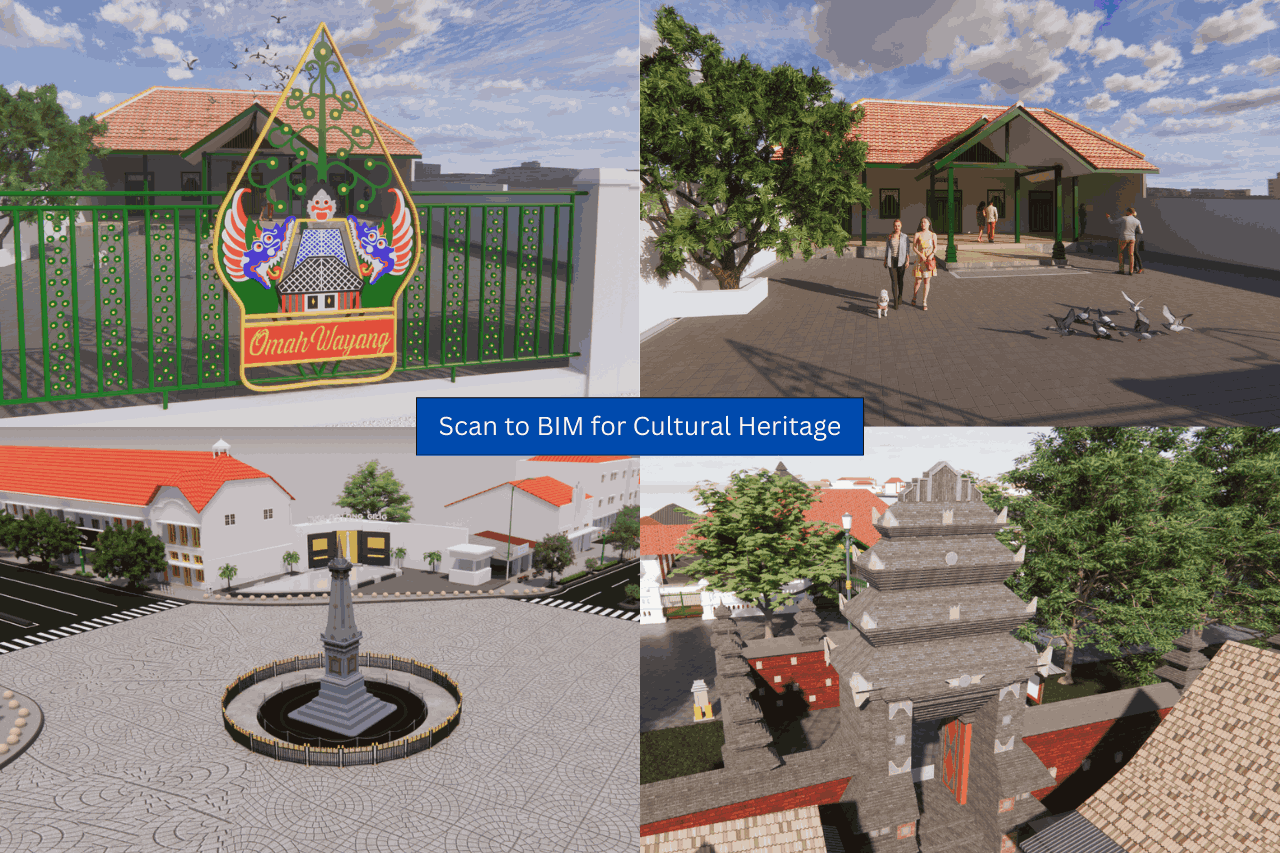
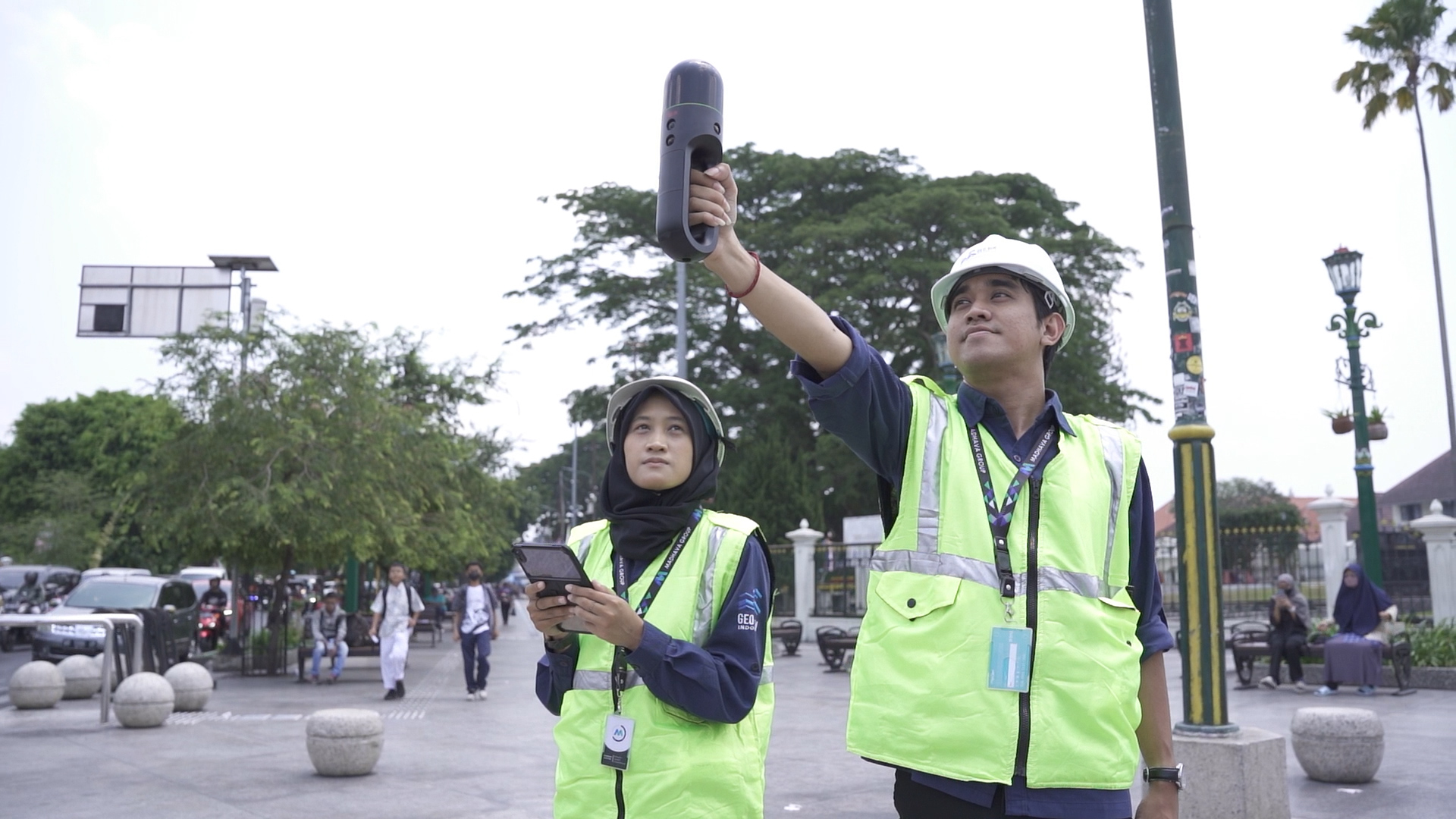
GeoBIM Indonesia is a Building Information Modeling (BIM) service provider that prioritizes quality, accuracy, and compliance with both national regulations and international standards. As a consultant specializing in Scan to BIM, GeoBIM Indonesia delivers accurate and integrated digital models derived from 3D scanning technologies such as LiDAR and photogrammetry.
Through expertise in 3D scanning, BIM modeling, Clash Detection, and Facility Management integration, GeoBIM Indonesia supports project owners, consultants, and contractors in producing reliable building models that can be used throughout the entire asset lifecycle. With experience across various sectors, from buildings and infrastructure to industrial facilities and cultural heritage preservation, GeoBIM Indonesia serves as a strategic partner in driving digital transformation in Indonesia’s construction industry.
Contact GeoBIM Indonesia today and get the best documentation solution for your project!
📞 +62 838-3866-5598 (Sales Engineer – GeoBIM Indonesia)
.png)